
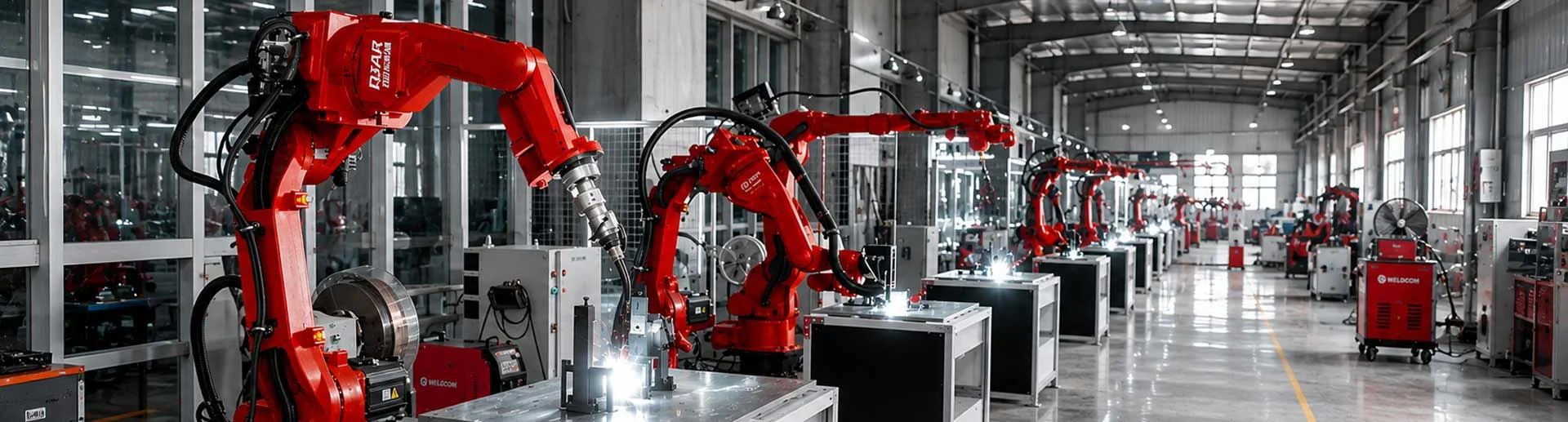
Pick-and-Place & Handling Robots
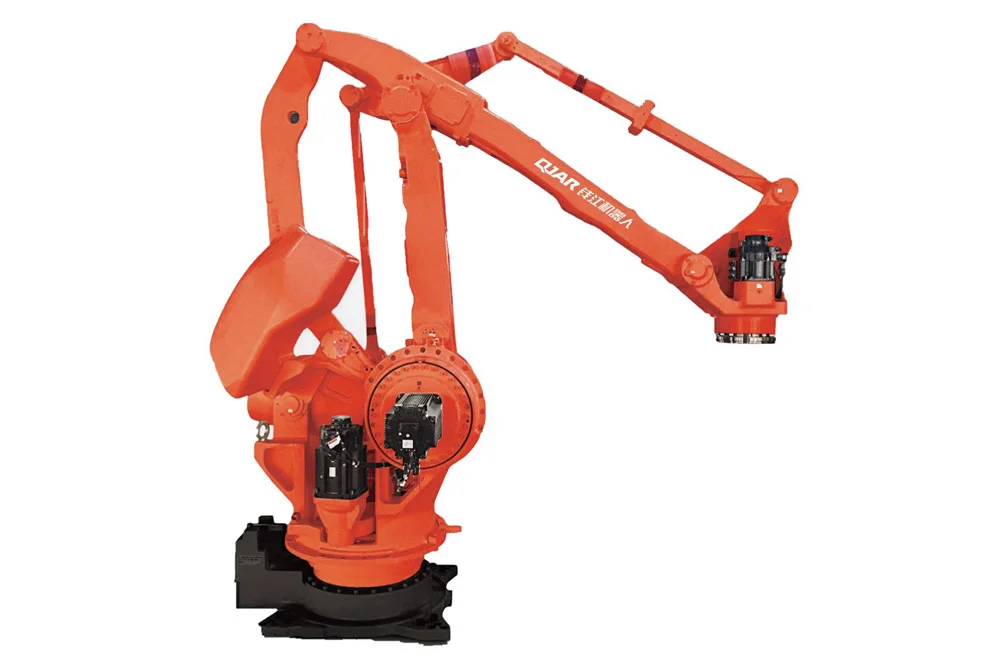
The entire robot axis operates at low output power, providing high speed and stability. The simple robot design is integrated with specialized packaging software. Widely applied in packaging.
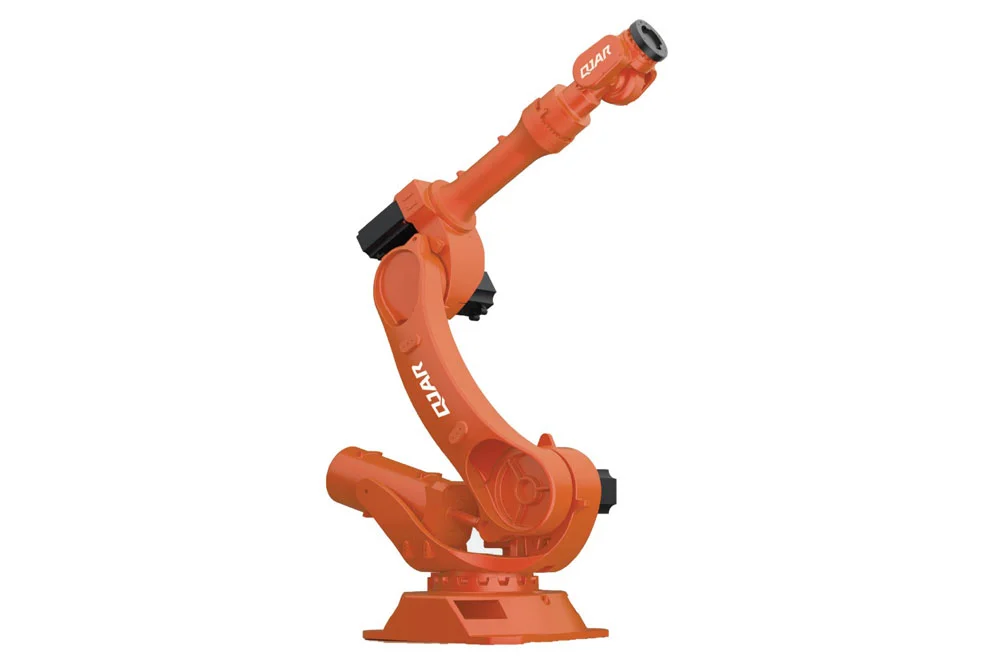
Compact design, large working space. Flexible installation in various positions. Load capacity of 210 kg, maximum robot reach up to 2.68 m. Fast response capability, high precision. Applications in ...
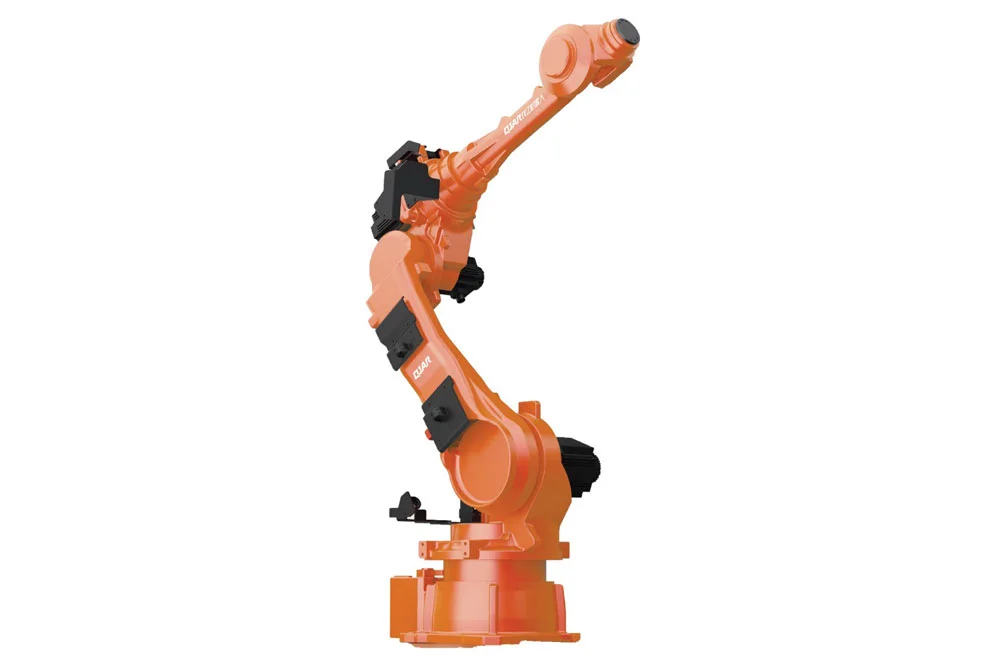
Compact design, large working space. Flexible installation in various positions. Load capacity of 50 kg, maximum robot reach up to 2 m. Fast response capability, high precision. Applications in ...
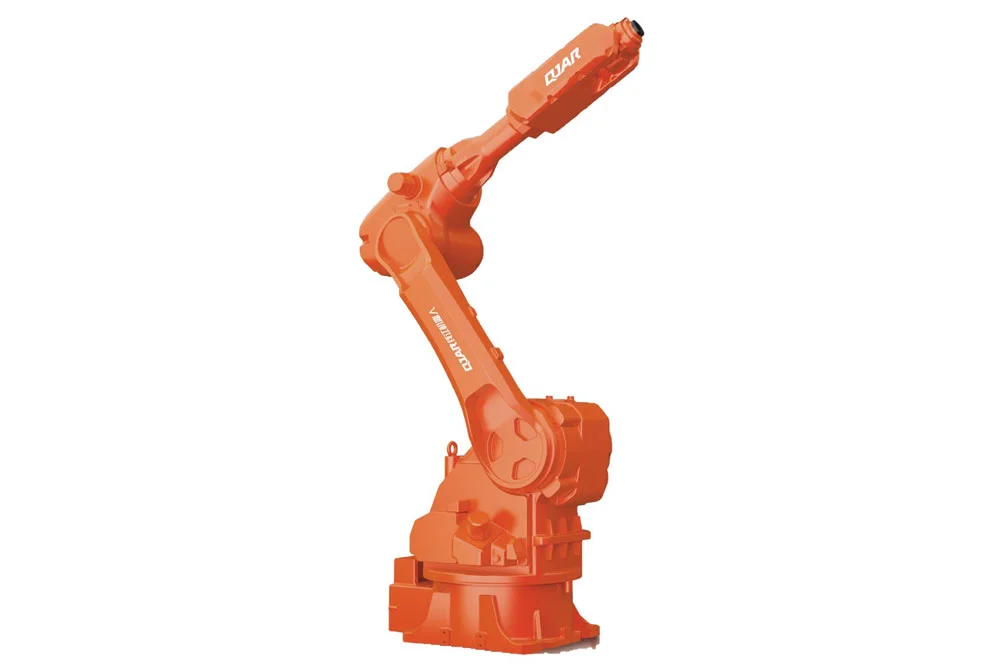
Compact design, large workspace. Quick response capability, high accuracy. Applications in loading and unloading, laser cutting, painting, polishing, and many other applications.
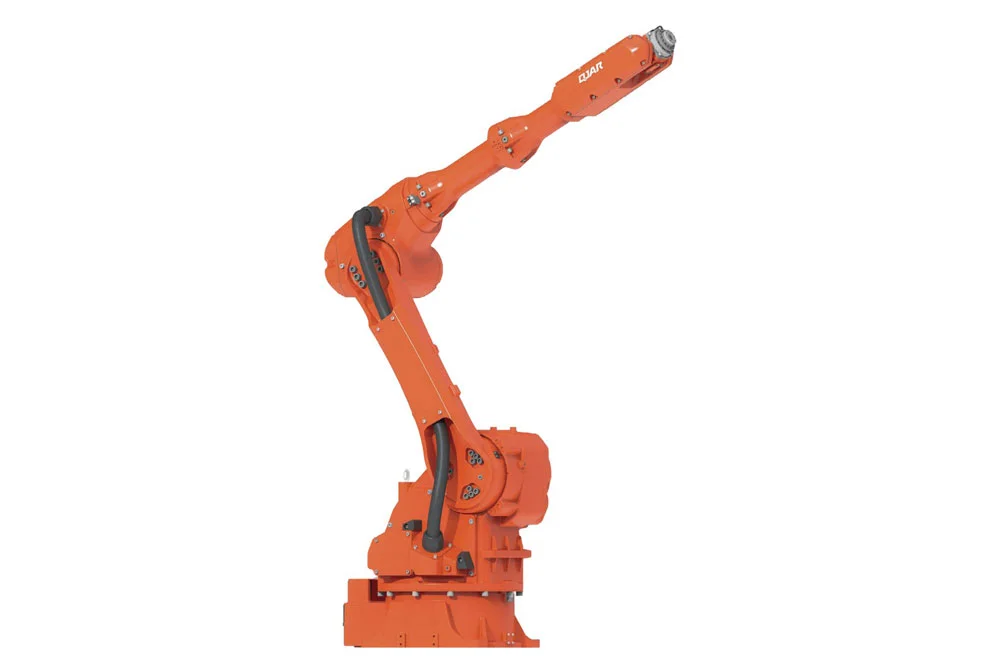
The robot structure has high rigidity to maintain accuracy during operation. The robot has a closed design with IP65 protection level. Uses corrosion-resistant screws and contact accessories. The ...
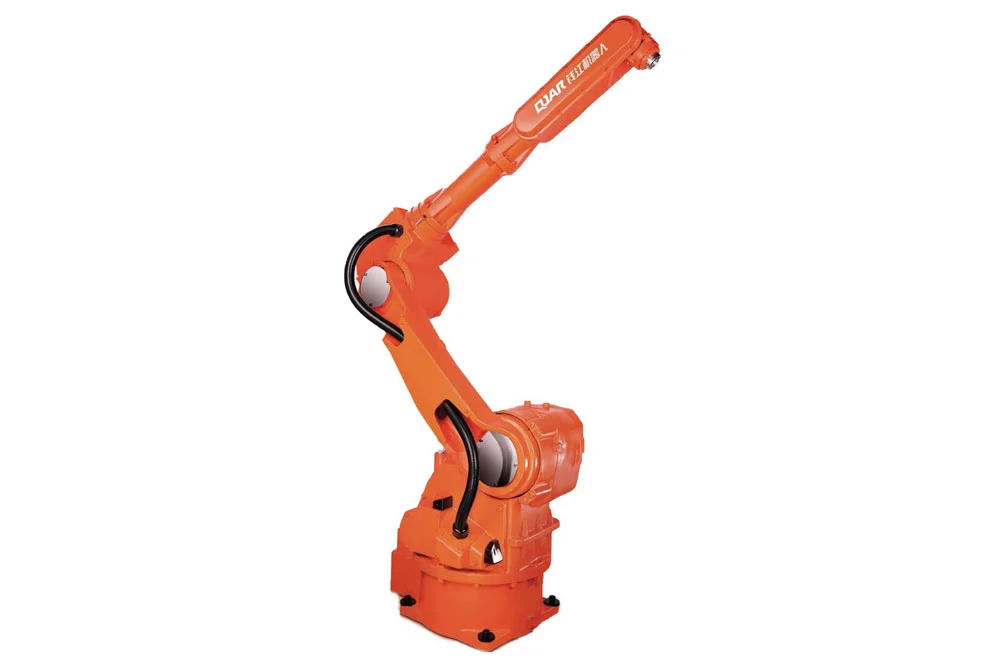
Compact design, large working space. Flexible installation in various positions. Load capacity of 10 kg, maximum robot reach up to 2 m. Fast response capability, high precision. Applications in ...
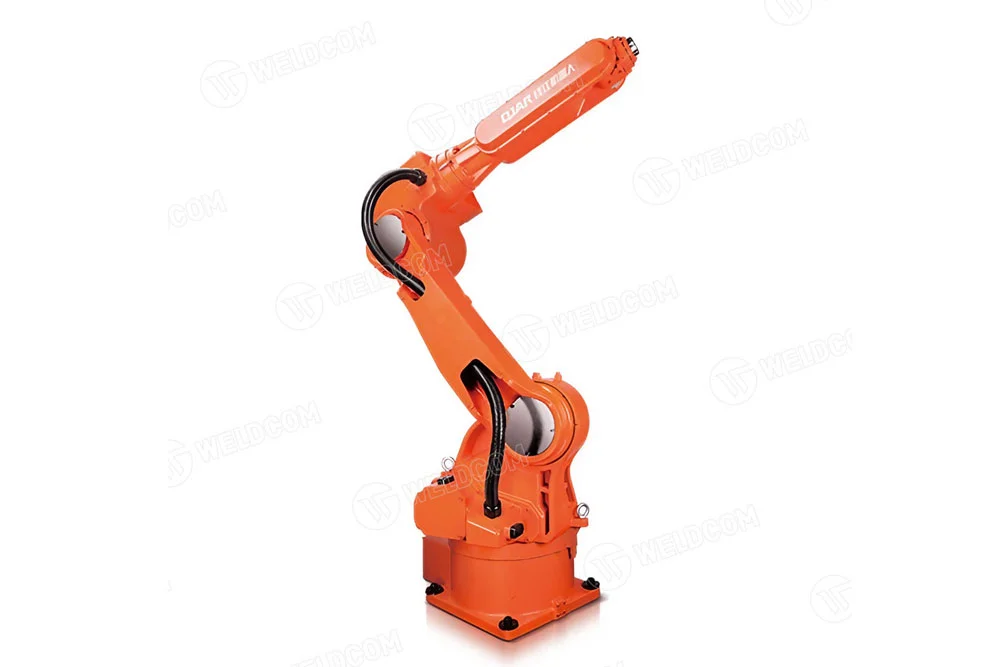
Compact design, large working space. Flexible installation in many positions. Load capacity of 10 kg, maximum robot reach up to 1.67 m. Fast response capability, high precision. Applications in ...
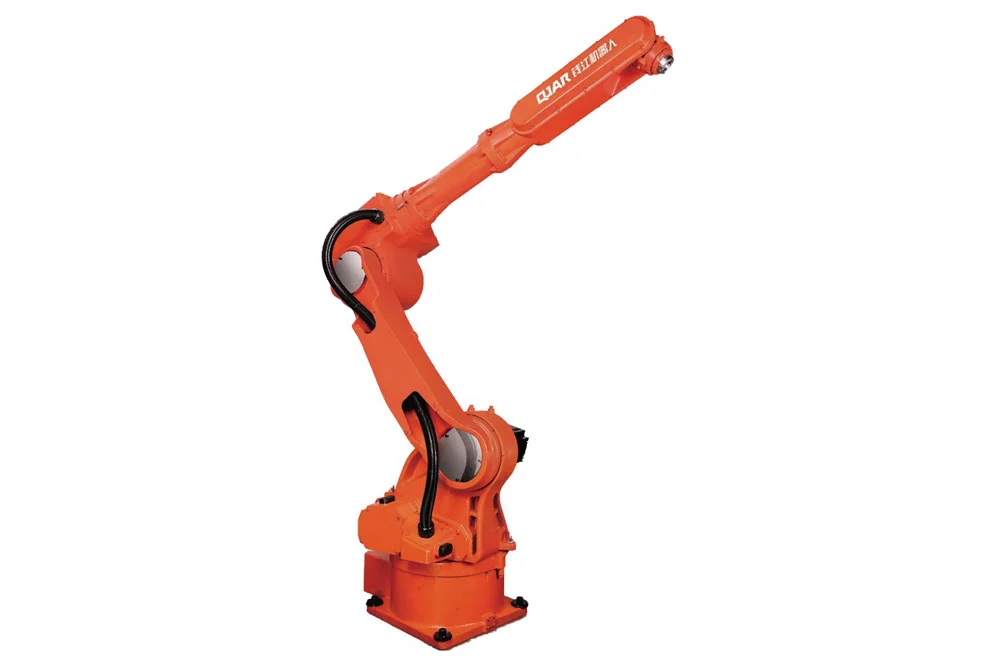
Compact design, large working space. Flexible installation in many positions. Maximum robot reach up to 2 m. Fast response capability, high precision. Applications in welding, loading and unloading, ...
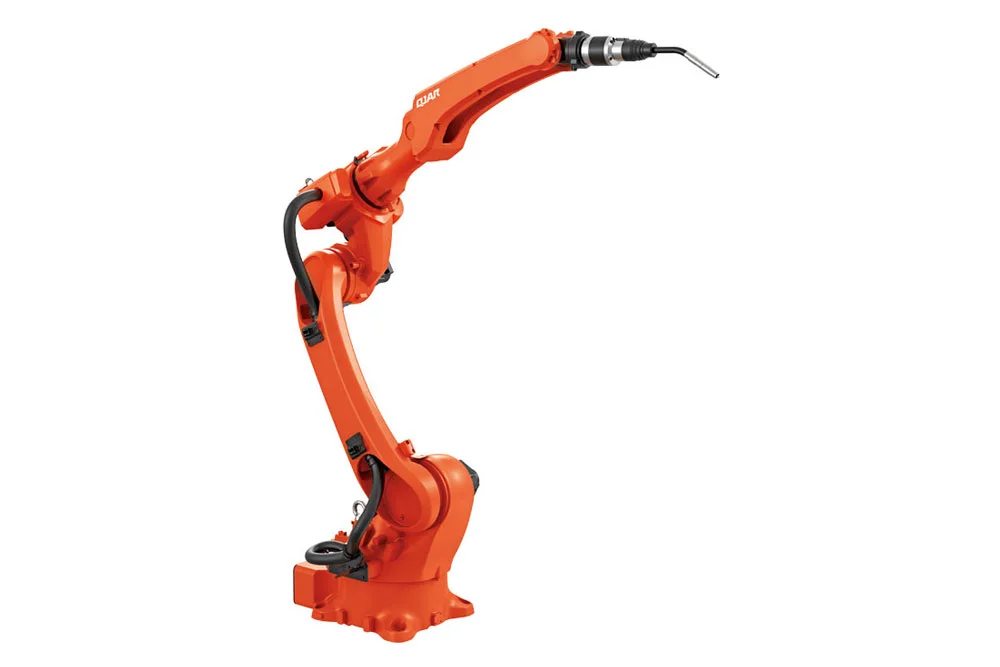
The hollow structure of the 4th axis uses a double angular contact axis, replacing the traditional structure. Axes 4 and 6 have gear clearance adjustment components to increase accuracy. The robot ...
In the era of automation, robot pick & place is increasingly becoming an optimal solution to enhance productivity, reduce labor costs, and ensure accuracy in production. Follow the article to understand what a robot pick & place is, its structure, as well as popular types and how to choose a suitable robot pick & place for your business!
1. What is a robot pick & place?
- A robot pick & place (also known as a robot pick & place) is an automated device used to pick, move, and place objects from one location to another quickly and accurately. Robot pick & place is usually pre-programmed or combined with sensors and cameras to identify the product's position in the production line.
- Example: A robot pick & place is used to take products from the packaging conveyor, place them in trays, pick machining details in CNC, or sort products by color and size.
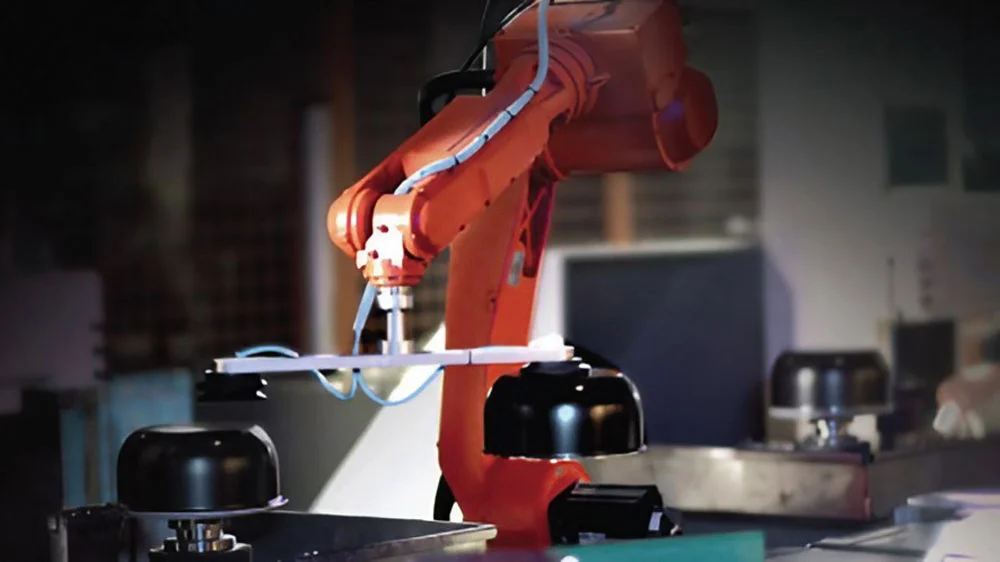
2. Main structure of a robot pick & place
A standard robot pick & place usually consists of the following components:
- Robot arm (motion mechanism): Can be in the form of a coordinate axis, SCARA arm, delta, or 6-axis, helping to move to the desired position.
- Gripper (some users may call it a robot hand): The part that directly picks the product, which can be a mechanical clamp, vacuum suction, or electromagnet, depending on the product type.
- Central control unit: Where signals are processed, motion is controlled, and coordination between axes is synchronized.
- Sensors / camera: Helps locate the product, accurately determine the position and direction of picking.
- Power supply & pneumatic system: Provides energy to operate the robot and gripper.
3. Advantages and Disadvantages of Robot pick & place
Outstanding advantages of Robot pick & place
- Increase production efficiency: Robot pick & place can work continuously 24/7, with fast pick & place speed, significantly increasing output.
- Ensure high accuracy: Each pick, move, and release operation is pre-programmed, providing consistent results and reducing product errors.
- Save labor: Reduce the need for manual labor in repetitive tasks, freeing up human resources for higher-value work.
- Increase labor safety: Limit accidents when working with heavy objects, hot, dusty, or hazardous environments.
- Easy integration: Robot pick & place can be installed into existing lines, combined with conveyors, sensors, and automatic control systems.
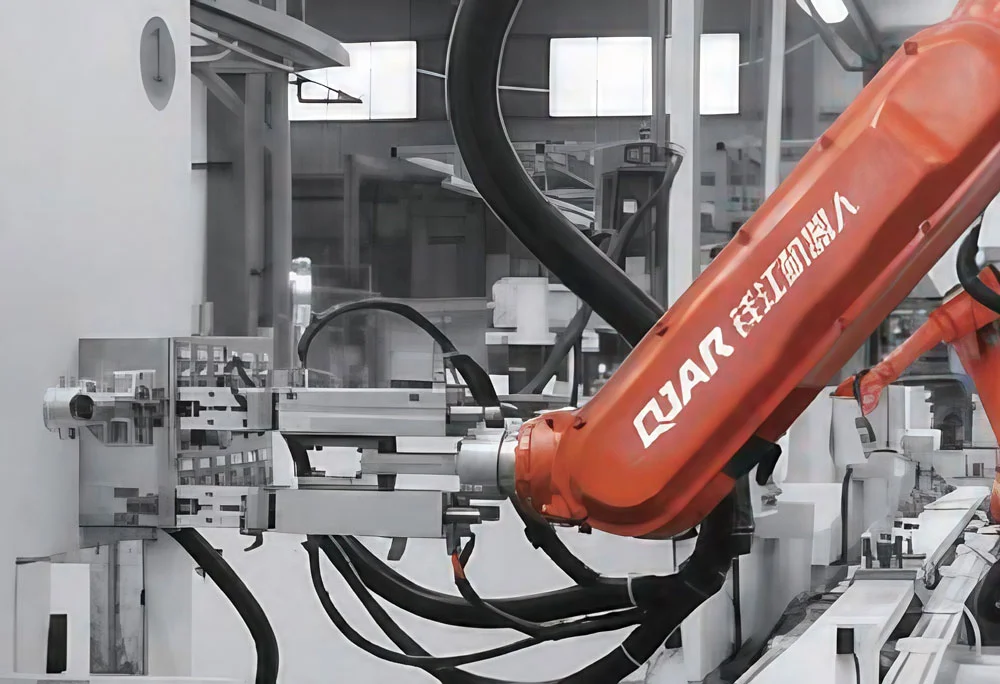
Outstanding disadvantages of Robot pick & place
- High initial investment cost: Businesses need to calculate a reasonable budget when implementing automation.
- Maintenance and operation requirements: Requires trained personnel for programming and periodic maintenance.
- Not as flexible as humans in some special operations: Some complex products or require many adjustments may need to reprogram the robot.
4. Types of robot pick & place today
Currently, robot pick & place is specially designed for many industries and different products. Here are the popular types:
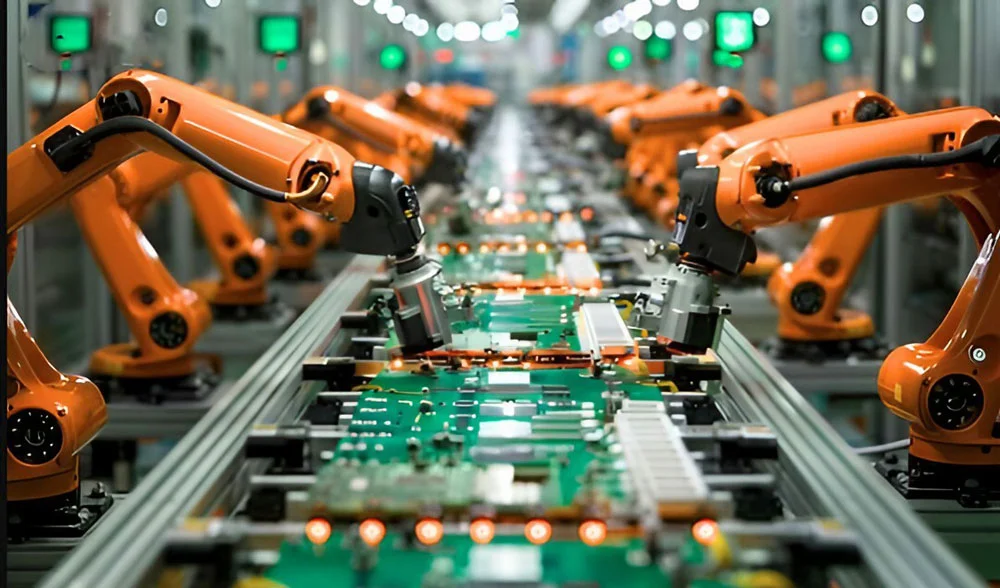
4.1. Electronic component pick & place robot
- Function of Electronic component pick & place robot: Pick chips, circuit boards, ultra-small components in SMT lines or electronic assembly.
- Advantages: Extremely high accuracy, fast pick & place speed, reduce assembly errors.
- Application: Electronics manufacturing, telecommunications, technology equipment assembly.
4.2. Blank pick & place robot
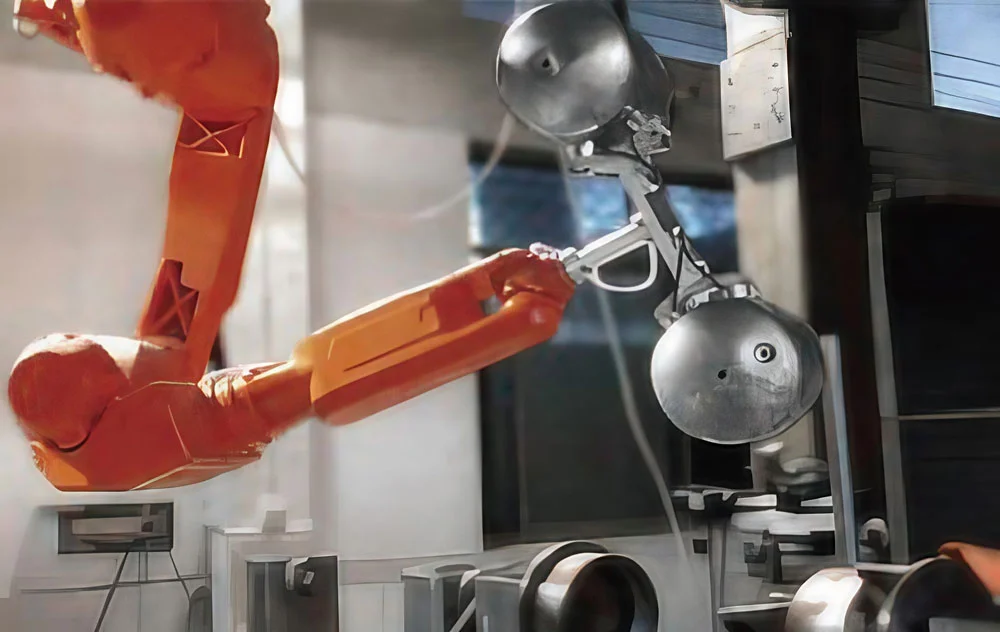
- Function of Blank pick & place robot: Pick metal blanks into CNC machines, lathes, presses, then remove the blanks.
- Advantages: Ensure safety, reduce labor accidents, increase machining productivity.
- Application: Mechanical manufacturing, precision metal processing.
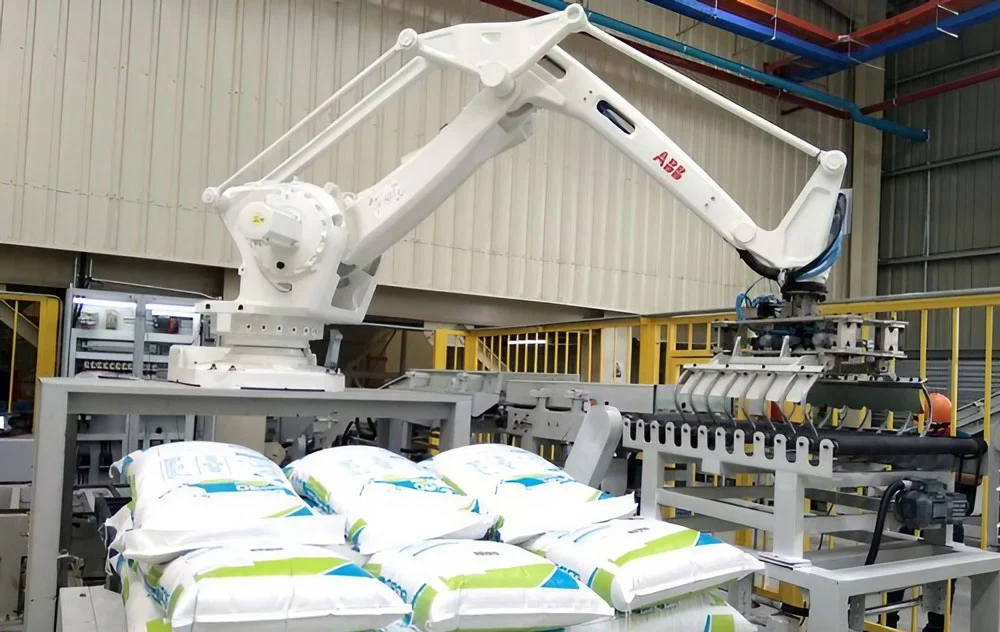
4.3. Bag pick & place robot
- Function of Bag pick & place robot: Automatically pick cement bags, fertilizer bags, animal feed bags... from the conveyor and stack them on pallets.
- Advantages: Reduce manual labor, neatly stack bags quickly.
- Application: Cement, animal feed, chemical manufacturing plants.
4.4. Plastic product pick & place robot
- Function of Plastic product pick & place robot: Take plastic products from injection molding machines, cut burrs, arrange them in trays.
- Advantages: Fast, accurate operation, protect products from scratches.
- Application: Plastics industry, electronic component manufacturing, household appliances.
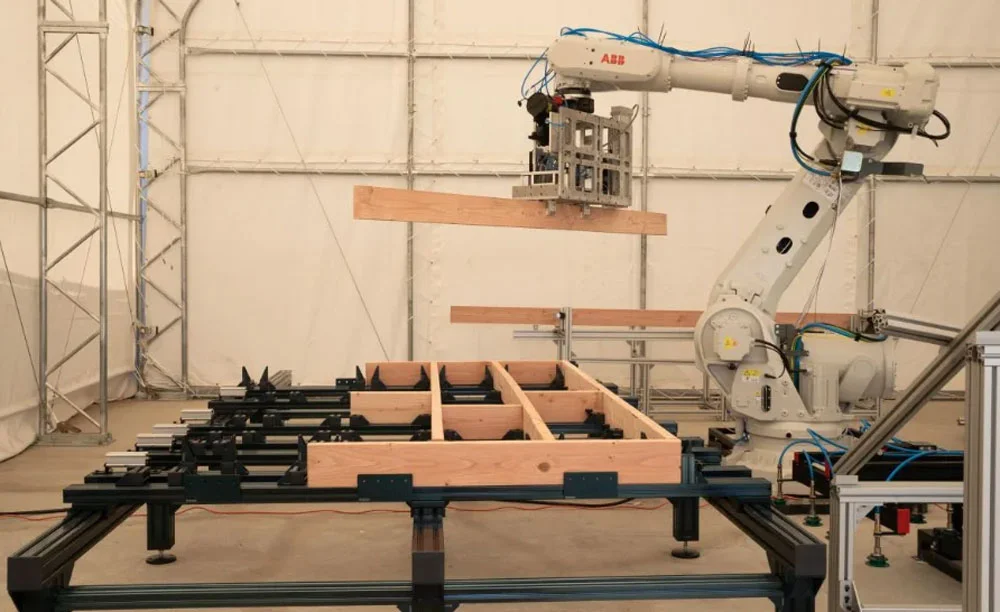
4.5. Wood pick & place robot
- Function of Wood pick & place robot: Pick and arrange wood panels, wooden bars on production lines.
- Advantages: Limit surface damage to wood, optimize lifting and placing operations, save labor.
- Application: Furniture manufacturing, industrial wood processing plants.
4.6. Goods pick & place robot
- Function of Goods pick & place robot: Pick and move boxes, packages from conveyors or warehouses.
- Advantages: Optimize storage, reduce loading and unloading time, support logistics.
- Application: Distribution centers, e-commerce warehouses.
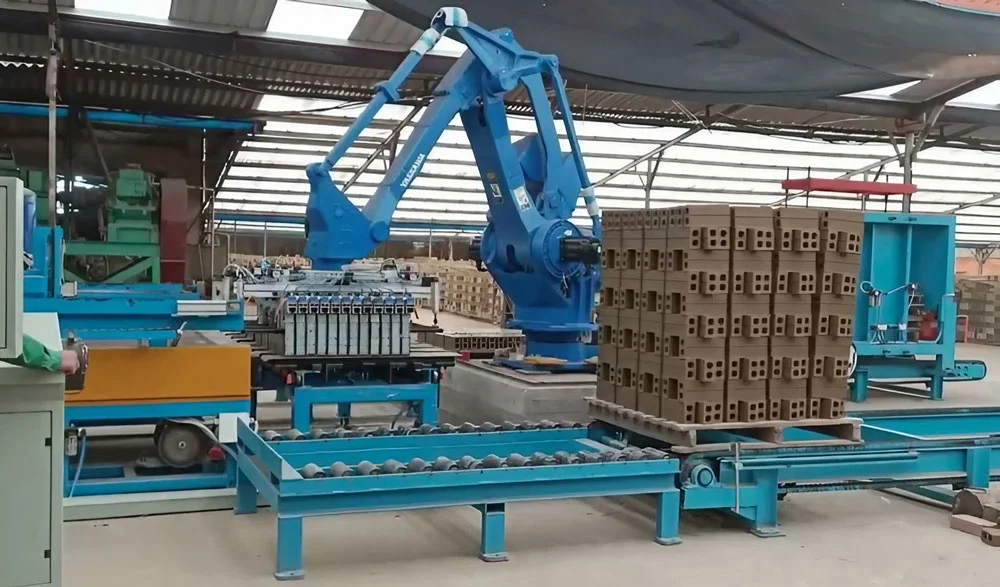
4.7. Brick pick & place robot
- Function of Brick pick & place robot: Take bricks from production lines, neatly stack them on pallets or carts.
- Advantages: Ensure bricks are neatly stacked, reduce breakage, increase productivity.
- Application: Non-fired brick, fired clay brick manufacturing plants.
4.8. Multi-purpose product pick & place robot
- Function of Multi-purpose product pick & place robot: Pick various types of products with different sizes on the same line.
- Advantages: Flexible, easy to change grippers to suit new products.
- Application: Food packaging lines, diverse component manufacturing.
5. Practical applications of robot pick & place in production
Robot pick & place is currently widely applied in many production fields thanks to its ability to work quickly, accurately, and continuously. Some typical applications:
- Automating packaging lines: Robot pick & place products from conveyors, place them in trays or boxes, helping to pack quickly, uniformly, and reduce manual errors.
- Supporting mechanical machining – CNC: Pick blanks into machining machines, remove finished blanks, saving labor, reducing labor accidents, and increasing workshop productivity.
- Intelligent product sorting: Combining sensors and machine vision to identify colors, sizes, and automatically sort products.
- Brick – cement – building materials industry: Pick and stack bricks, cement bags on pallets, optimize loading and unloading, limit product breakage.
- Plastics – electronics industry: Take products from plastic injection machines, assemble small electronic components, reduce errors and improve assembly quality.
- Warehouse & logistics: Goods pick & place robots, palletizing robots stack goods into warehouses, quickly prepare orders, optimize storage space.
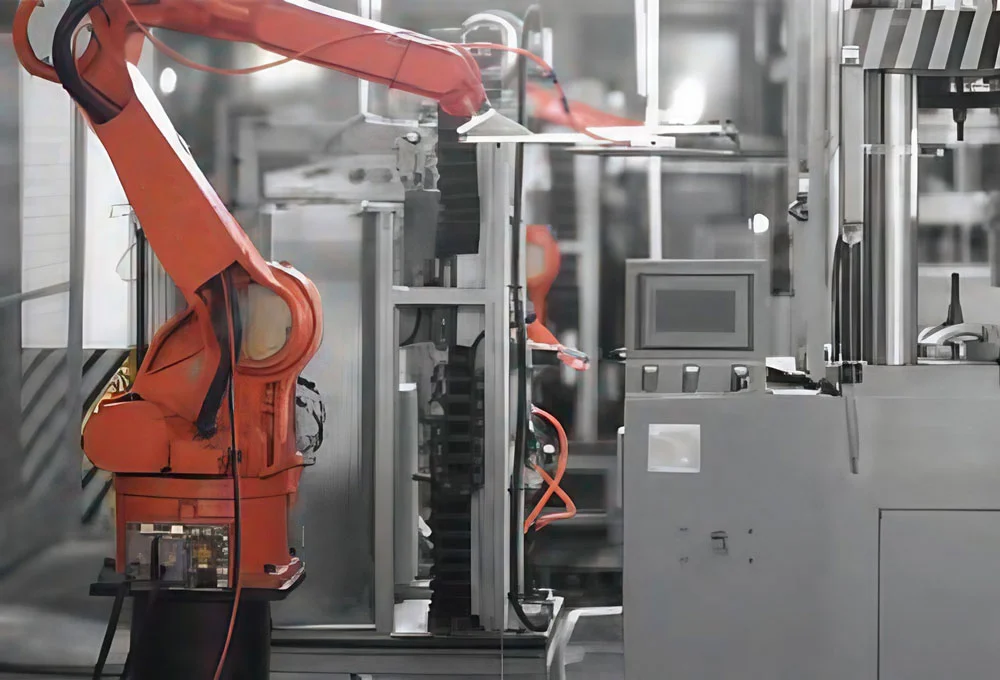
6. Criteria for choosing a Robot pick & place
Choosing the right type of robot pick & place will help businesses optimize efficiency and save costs. Here are the important criteria: Picking load:
- Determine the weight of the object to be picked (bags, bricks, components...) to choose a robot pick & place with suitable picking load.
- Always choose a robot with a reserve load 10–20% higher than the actual product.
Speed & accuracy:
- For high-speed lines, a robot pick & place with a fast pick & place cycle is needed.
- If picking electronic components or small products, requiring high accuracy, choose a robot with an error ≤ ±0.1 mm.
Working space:
- Accurately measure the movement range of the product and the installation area to choose a robot pick & place with suitable reach and number of axes (Cartesian, SCARA, Delta, 6-axis).
Type of gripper (robot hand):
- Choose a mechanical robot hand, vacuum suction, or electromagnet depending on the product type.
- Choose a Robot pick & place with an easily changeable gripper to be flexible for different products.
Integration with existing lines:
- The robot pick & place needs to be compatible with existing conveyors, PLC systems, cameras, and sensors for synchronization.
Budget & after-sales service:
- Prioritize brands with service centers in Vietnam, easy maintenance, and clear warranty.
7. Reasons to choose QJAR Robot pick & place
QJAR is a prominent industrial robot brand from China, under Zhejiang Qianjiang Robot Co., Ltd. – a company established in July 2013, specializing in the production of high-tech robots with exclusive intellectual property rights and core technology.
With leading competitive capabilities in technology, QJAR focuses on designing and developing industrial robots, providing comprehensive automation solutions including automatic production lines, building smart factories, and Turn-Key projects.
Currently, QJAR pick & place/lifting robots have a diverse product portfolio:
- Standard Delta robots, 4-axis – 6-axis robots with loads from 3kg to 800kg.
- Specialized robots for welding, cutting, painting, polishing, sorting, loading, and unloading.
- Widely applied in many industries: automotive – motorcycles, 3C, hardware, food – beverage, CNC machining.
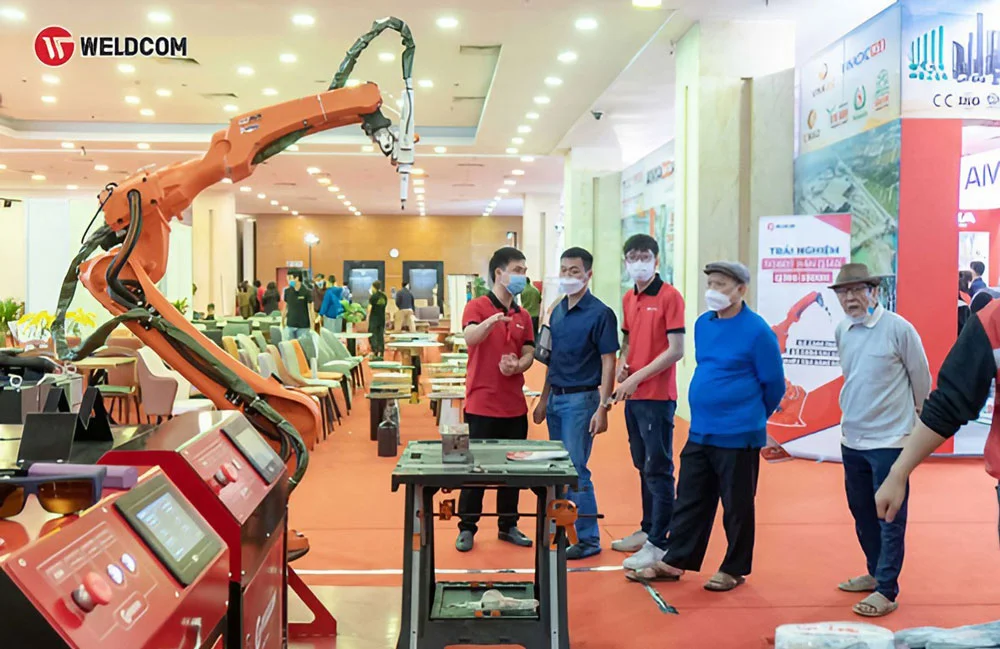
In Vietnam, Weldcom is the official distributor, accompanying the philosophy of bringing “real value” to customers. With a system of branches, agents, and technical service centers nationwide (Hanoi, Hai Phong, Da Nang, Ho Chi Minh City, Binh Duong…), Weldcom helps customers experience QJAR robots directly, receive solution consultation, and quick technical support.
Robot pick & place not only helps automate the production process but also increases competitiveness for businesses thanks to high productivity, stable quality, and reduced labor risks. Choosing the right type of robot pick & place suitable for actual needs will bring maximum cost and operational efficiency.
If you are looking for an automation solution, consider investing in a robot pick & place from a reputable supplier, with full technical support and warranty, to ensure long-term safety and efficiency.