
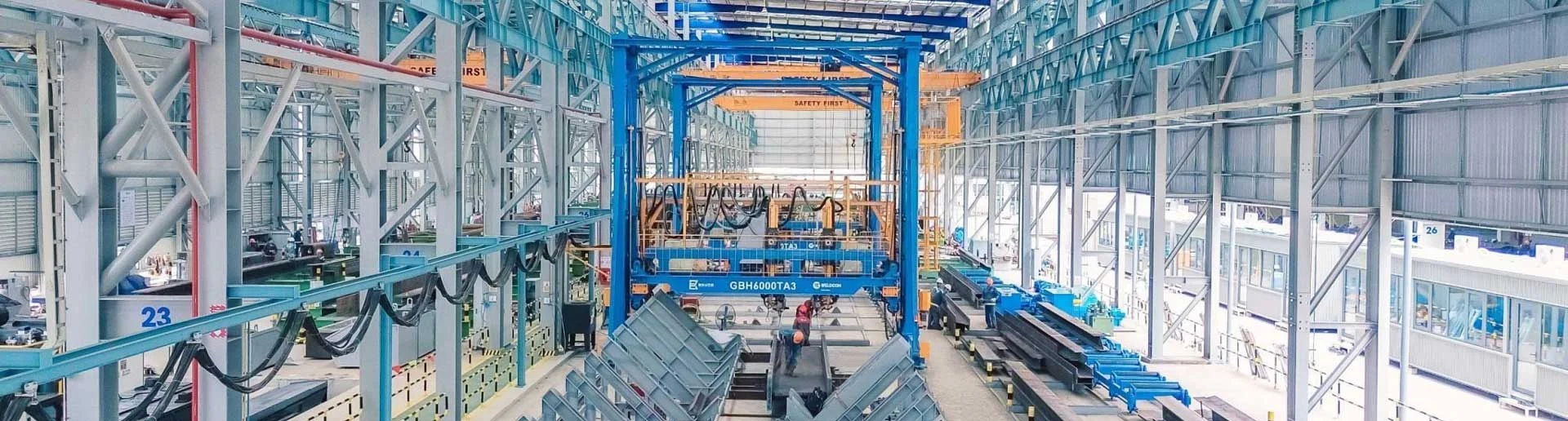
Steel structure production line
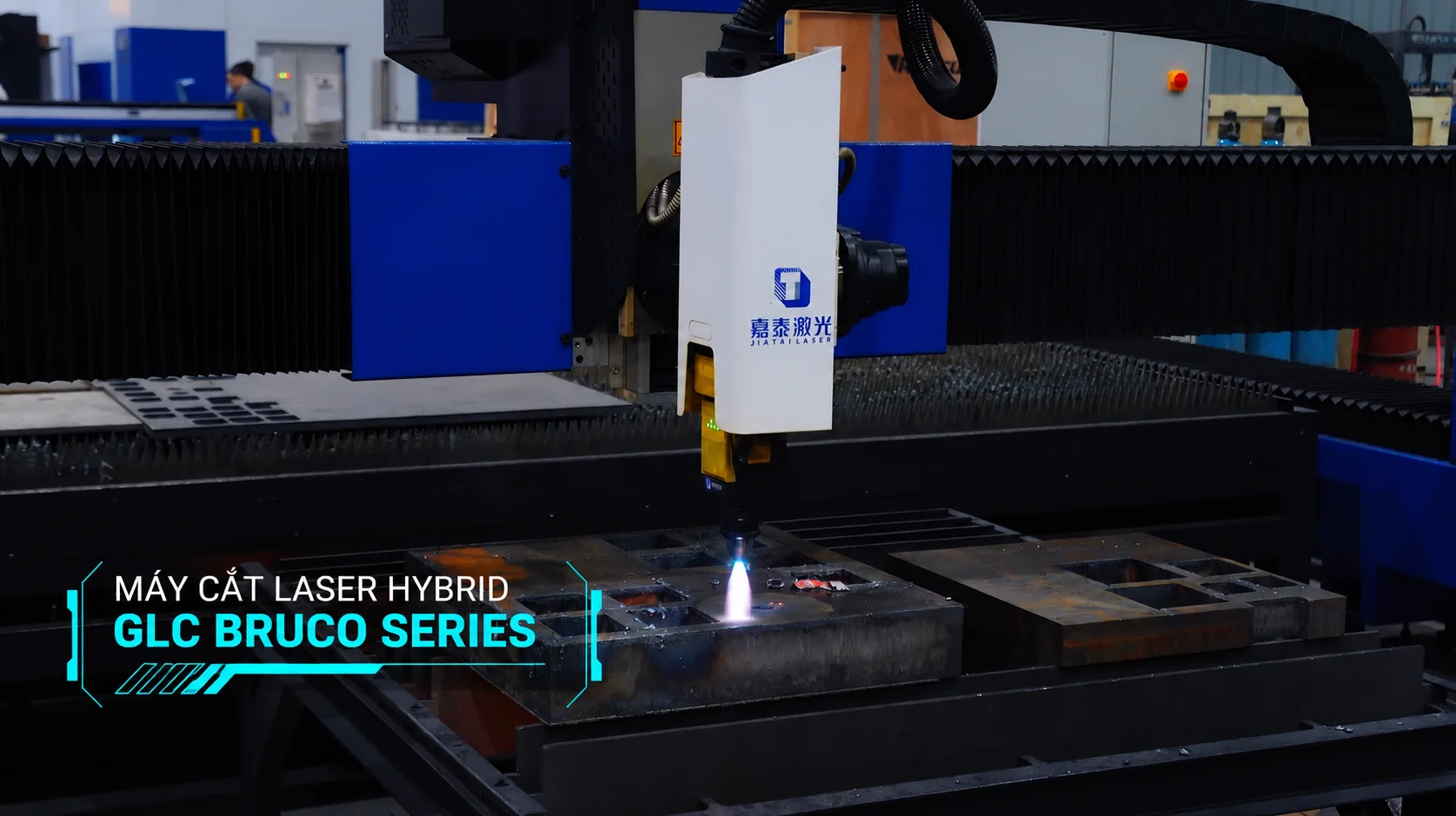
Combine the speed and precision of laser with the ability to cut thick steel of oxy-gas on the same machine. Flexibly switch cutting modes on a single cutting head. Cut ultra-thick carbon steel ...
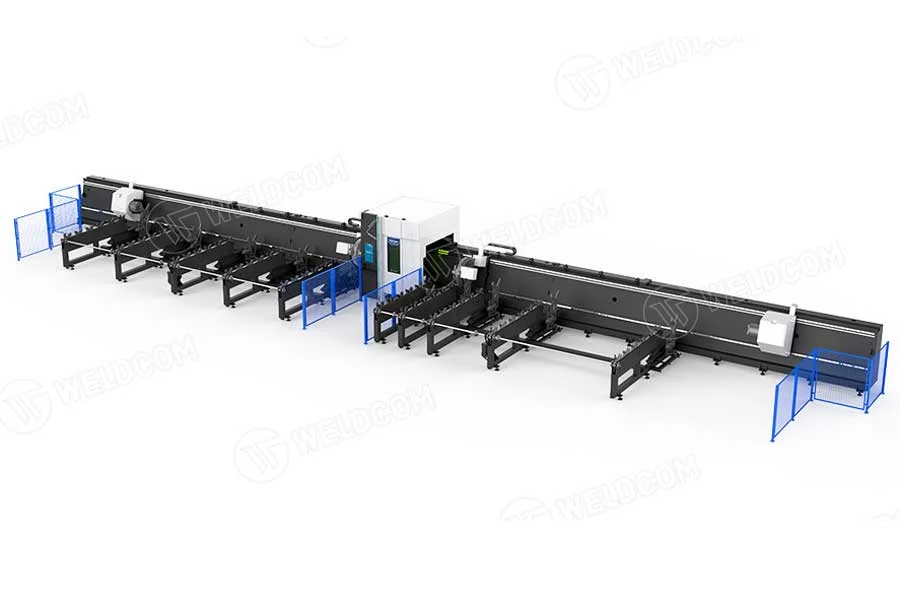
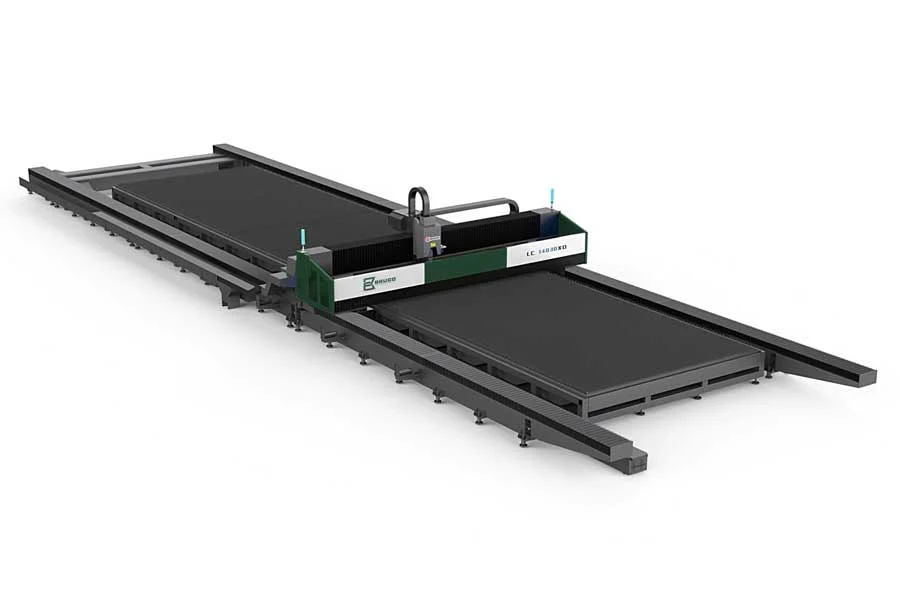
Model: LC26035XD Brand: BRUCO Laser source: MAX 20000W Controller: FSCUS 10000 Warranty: 24 months for laser cutting source and machine
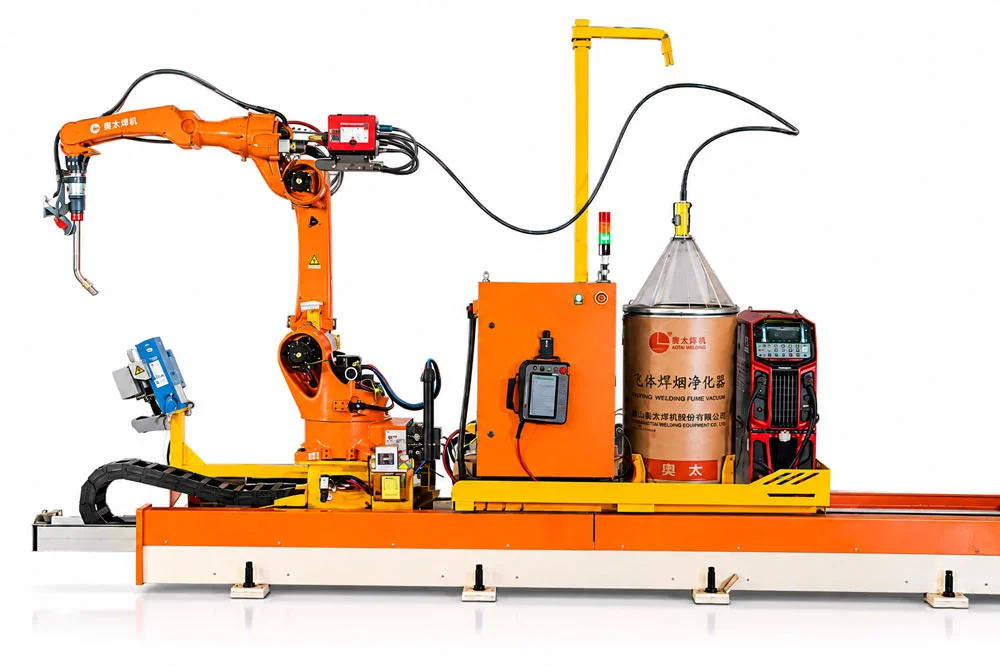
3D Camera & smart image processing : Automatically scan real products and create welding programs, independent of drawings. Extended rail system (optional) : Increase the reach and working space ...
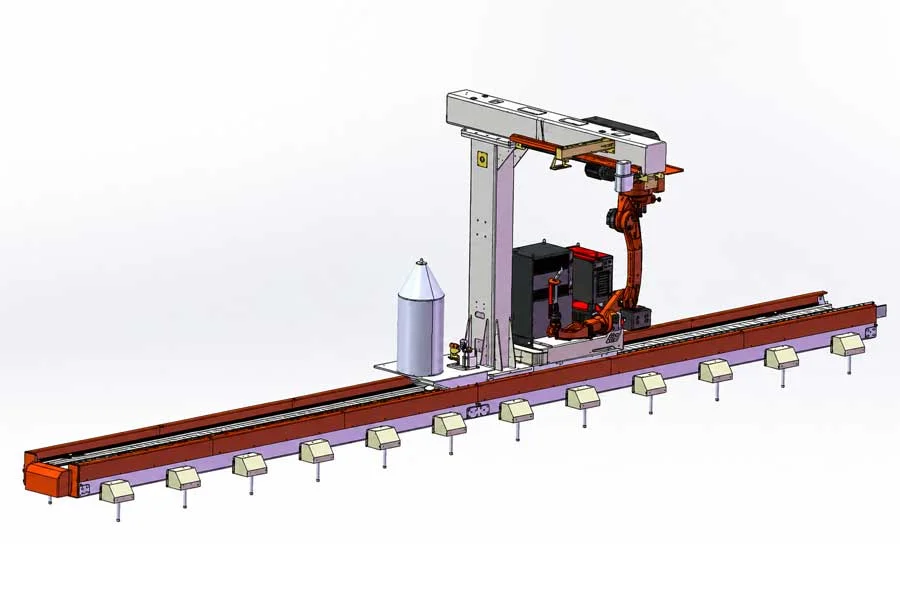
Suitable for beams, panels, and large components in the steel structure and shipbuilding industry. No manual programming required Flexible with various types of products, small batches, and custom ...
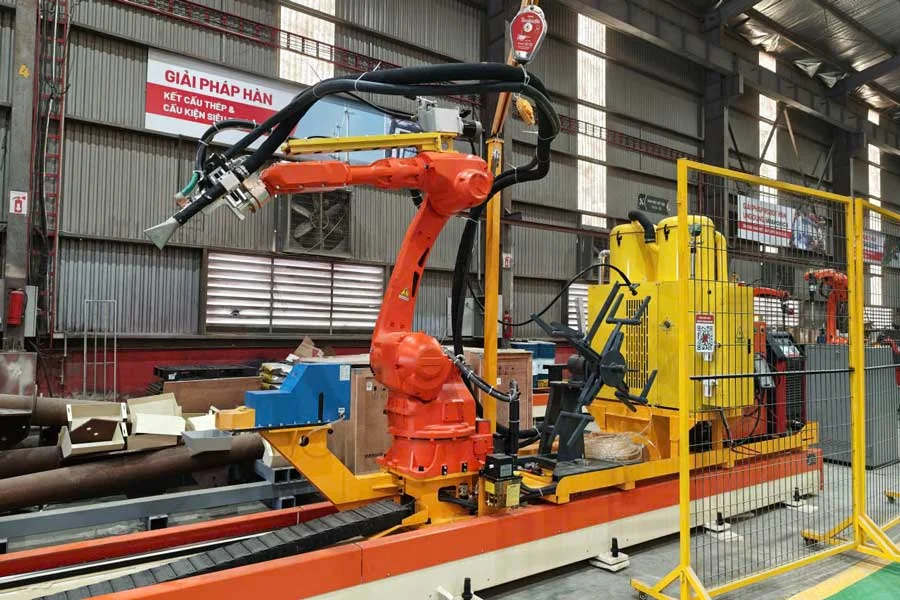
Fully supports deep welding for H beams, box columns, cruciform columns, and thick plate steel structures. Integrates groove laser scanning and point cloud data processing to automatically create ...
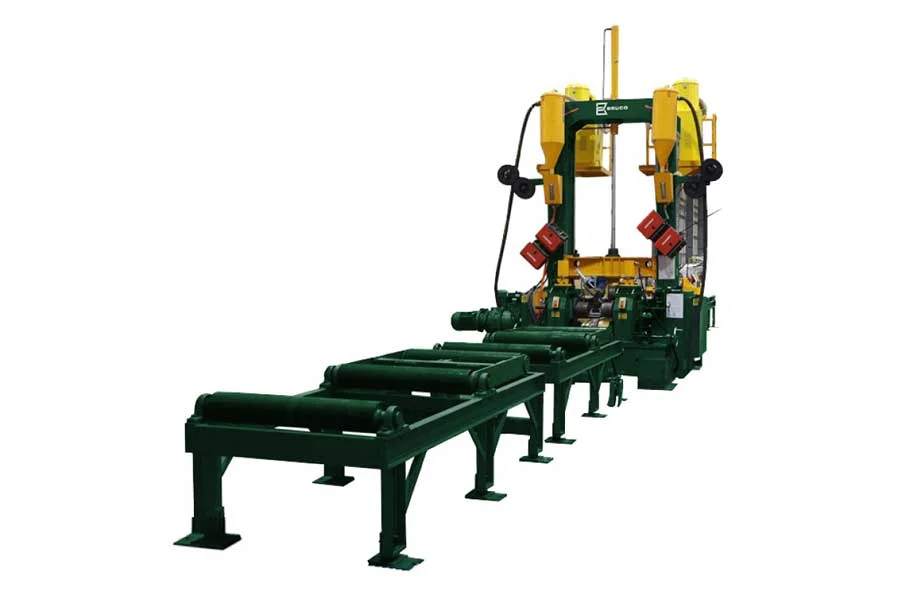
Integrates 3 functions of clamping, welding, and straightening on the same machine body, providing a flexible solution to meet customer needs, helping to increase productivity, optimize space, and ...
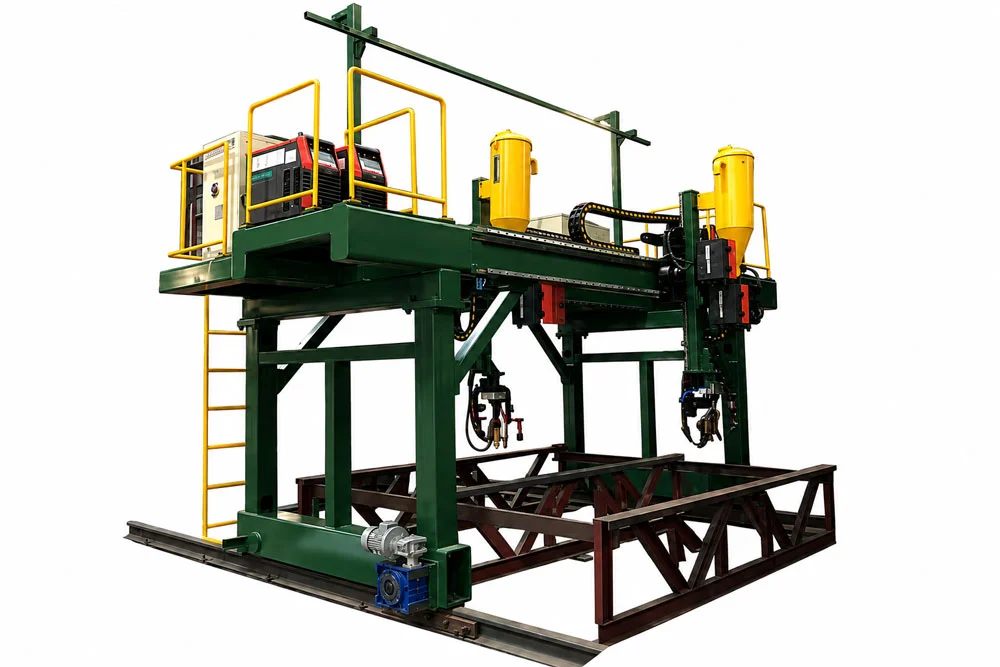
Smart welding head design automatically tracks the welding path with a laser sensor and servo motor for 3 axes. 2F welding position combined with Tandem MIG welding technology under flux for faster ...
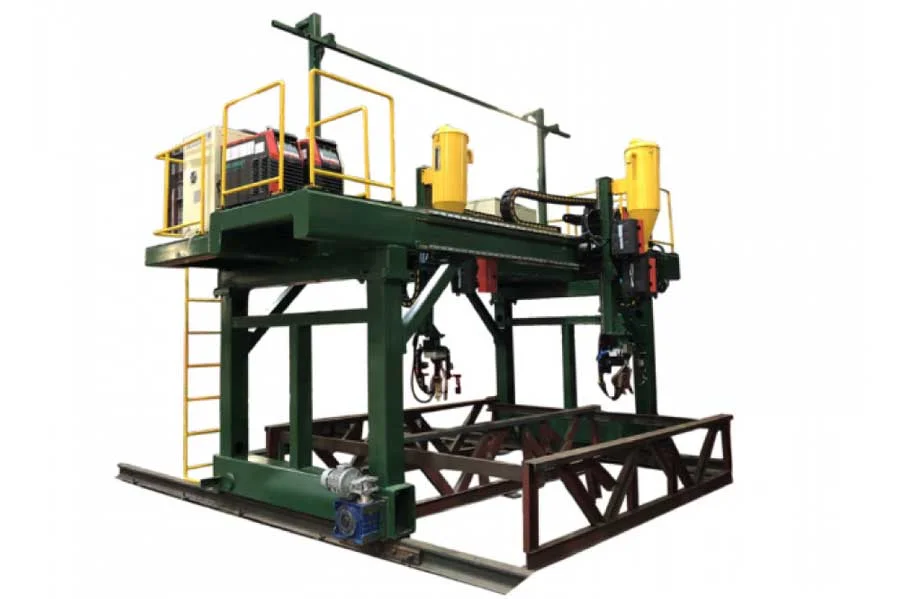
Specialized gantry welding equipment for welding steel trusses in steel structure production, flexibly meeting the welding needs from light to heavy beams. The GBH4000-S3A gantry welder uses a smart ...
With the steel structure production line system, the equipment in the line is tightly connected, and the billets are fully automatically transferred through the roller conveyor system.
What is a steel structure?
Steel structure is a metal structure formed from steel components linked together to transmit and bear loads. Thanks to the high load-bearing strength of steel, this structure is very sturdy and requires less material than other types of structures such as concrete or wooden structures. Standard structural steel varies in different countries with different specifications

Applications of steel structures
- Steel structures are applied to plate structures: such as blast furnace equipment or oil and gas storage tanks of petrochemical and chemical plants.
- Factories, enterprises, plants: When building houses to a certain height, heavy cranes are used, then industrial house frames or a mixed solution of reinforced concrete columns, trusses, and steel beams are used.
- Large-span houses: steel structures are applied to large-span houses from 30 – 40m such as gymnasiums, performance halls, exhibition display houses. For houses with unusually large spans >100m, steel structures must definitely be used.
- Multi-story building frames: with French-style houses; or houses over 15 floors high
- Railways, road bridges: made of steel when the span is medium, large, and when quick construction is needed.
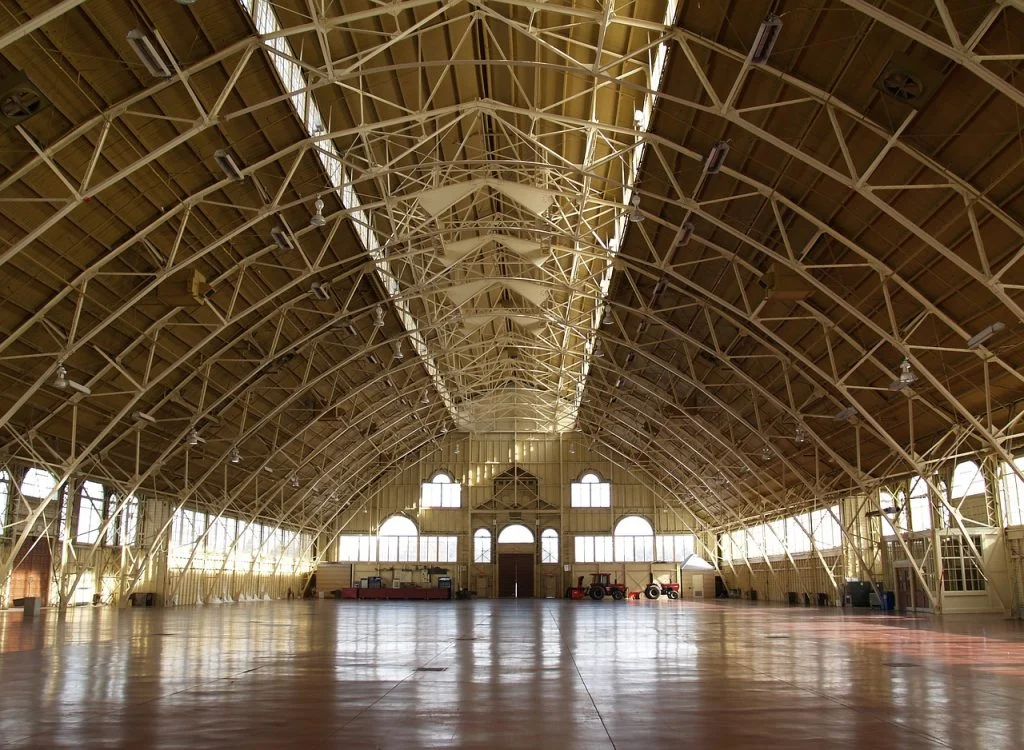
Types of steel structures
- Frame structure: Beams and columns
- Grid structure: grid or dome structure
- Prestressed structure
- Beam bridge
- Cable-stayed bridge
- Truss structure: bar or truss
- Arch bridge
- Arch architecture
- Suspension bridge
- Truss bridge: truss components
Advantages and disadvantages of steel structures?
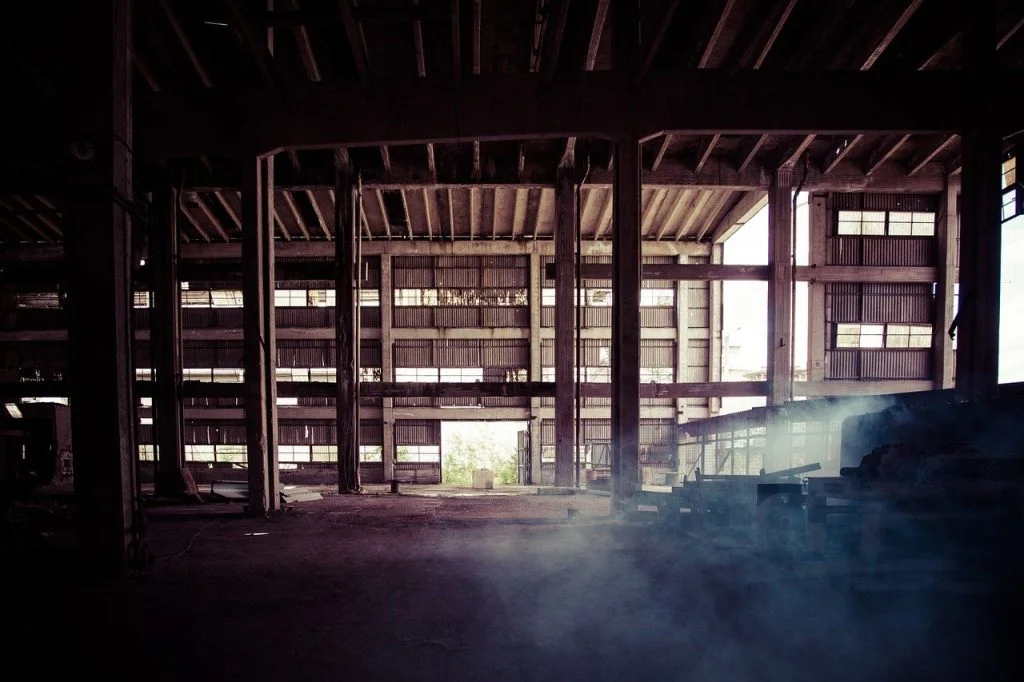
Advantages of steel structures
- High load-bearing capacity and reliability: steel structures are difficult to deform during use.
- Simple structure, lighter weight than concrete.
- Easy to transport, construct, and repair
- High industrialization.
- Sealed, waterproof.
- Cost-saving: due to the simple steel frame structure, it reduces construction time, costs, and maintenance repair costs
- Quick construction
Disadvantages of steel structures
- Can be corroded by environmental impact, temperature... Therefore, construction works using steel structures are often covered with protective paint, anti-rust steel
- Poor fire resistance
- Relatively high cost compared to some other raw materials such as wood, iron...
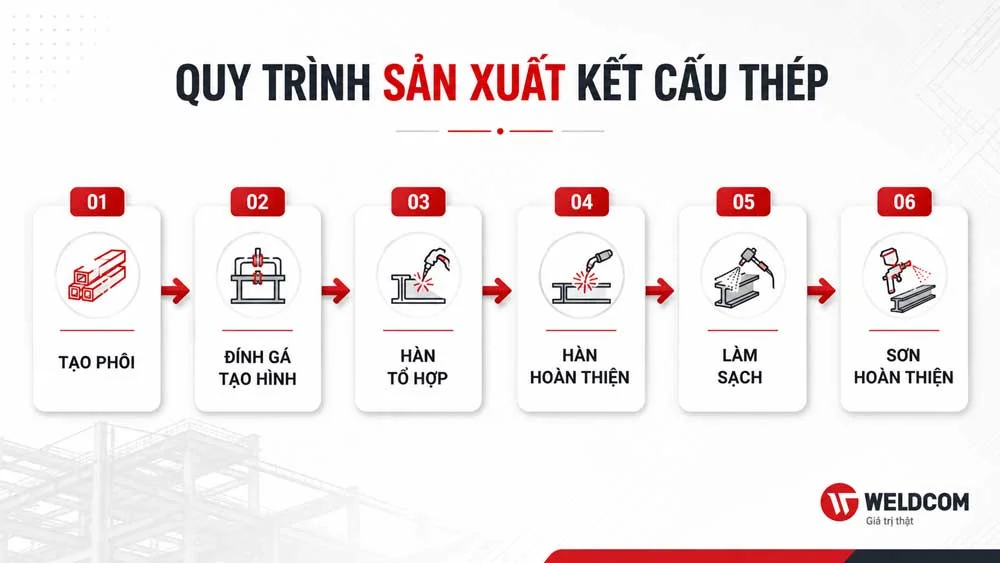
Steel structure production process
The steel structure production process is tightly linked by the following steps
Step 1: Billet creation
- This is the stage of cutting steel plates according to drawing dimensions
Step 2: Tacking and shaping
- This is the stage of tacking to fix details into beam shapes
Step 3: Assembly welding
- This is the stage of welding connections between the web and the flange of the beam
Step 4: Finishing welding
- This is the stage of welding auxiliary details of the beam such as codes, ribs
Step 5: Cleaning
- This is the stage of surface treatment of the beam to achieve the necessary cleanliness before painting
Step 6: Finishing painting
- This is the stage of priming + coating the beam
Step 7: Transportation and assembly
- This is the stage of transporting to the construction site and assembling the complete steel structure details
Modern equipment in steel structure production (Steel structure production line)
The modern equipment in steel structure production is categorized by Weldcom into the following stages:
Billet creation equipment
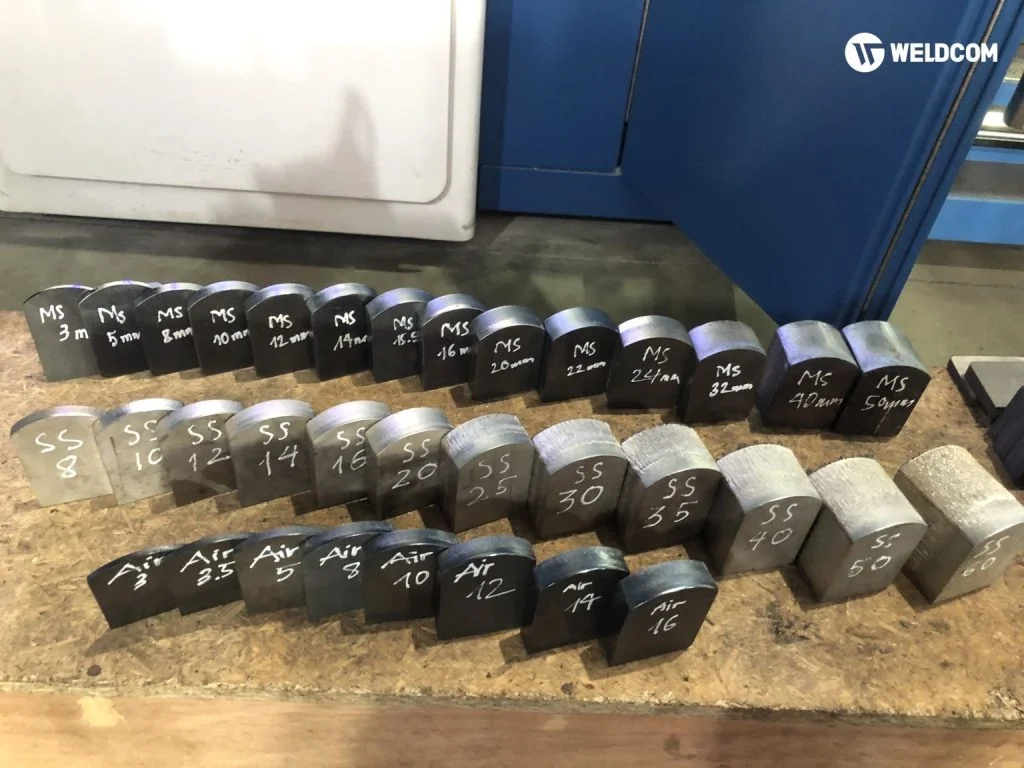
The billet creation stage mentioned here uses composite steel components or shaped steel. The web, door wings of the components are cut from steel plates with basic thicknesses of: 4 – 6- 8 – 10- 12mm.. using some specialized steel cutting machines such as:
- Oxy Gas Cutting Turtle
- CNC Plasma, Band cutting
- Hydraulic steel cutting
- Laser cutting
Drilling – Punching plate equipment
Using tools such as:
Tacking equipment
- Manually using welding machines (MIG welding)
- Smart beam tacking machine
Welding equipment
This stage requires precise assembly, the components are transferred to be fixedly welded by automatic welding machines. Ensuring beautiful welds, good quality, and correct technique, the welds are visually inspected, and weld joints are checked by ultrasound or magnetic testing. Some large specialized welding machines
Straightening equipment
High temperature during welding can cause steel components to bend & warp. To ensure the most accurate steel components when erecting at the construction site, the components must be straightened, adjusted & thoroughly checked before moving to the installation stage. Tools used:
Finishing welding equipment
After the steel structure house components are welded and adjusted, the reinforcing ribs, plates are hand-welded by skilled welders to ensure accuracy. This stage uses small welding machines with high precision such as:
Cleaning equipment
After being processed, the steel components are transferred to the cleaning stage. The components are surface anti-rust treated & processed by shot blasting or sandblasting machines before moving to the final finishing stage of anti-corrosion – anti-rust painting. The cleaning stage can use one of the 3 types of machines below, depending on the financial capability of the enterprise
- Sandblasting machine
- Shot blasting machine
- Laser rust removal machine
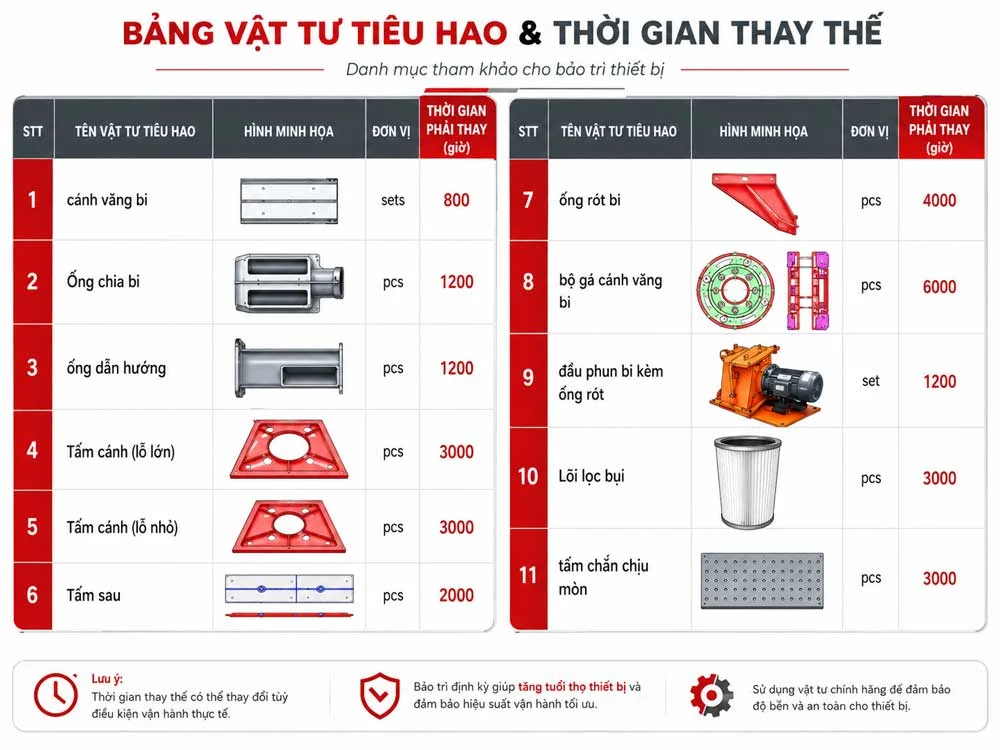
Auxiliary equipment - Consumable materials
Steel structure production solutions for factories
The context that most steel structure enterprises are currently facing is:
- New Steel Structure Enterprises will face issues regarding customers, competition, and how to effectively invest initially to optimize costs.
- Long-standing Steel Structure Enterprises will have issues with old machinery and technology, declining product quality, struggling with how to continue investing to improve product quality, maintain and expand customers
Weldcom offers steel structure enterprises this challenging solution, addressing 3 problems: increasingly stringent quality requirements, minimizing production costs, and maximizing employee productivity.
The difference of Weldcom is having a dedicated consulting department for solutions for each customer in the field of steel structure detail production, Weldcom will analyze customer requirements, based on available facilities, investment capabilities, and future growth projections to propose appropriate investment plans in each stage while meeting current customer needs and can integrate or upgrade when customer output increases.
For small-scale enterprises/workshops, options suitable for monthly output and initial investment not much or manual work in some stages can be chosen.
For large-scale enterprises with large monthly production output, choosing smart, multi-functional equipment or machines that can perform multiple stages on one machine will be prioritized for investment to optimize production time, labor, and improve product quality
Recently Viewed
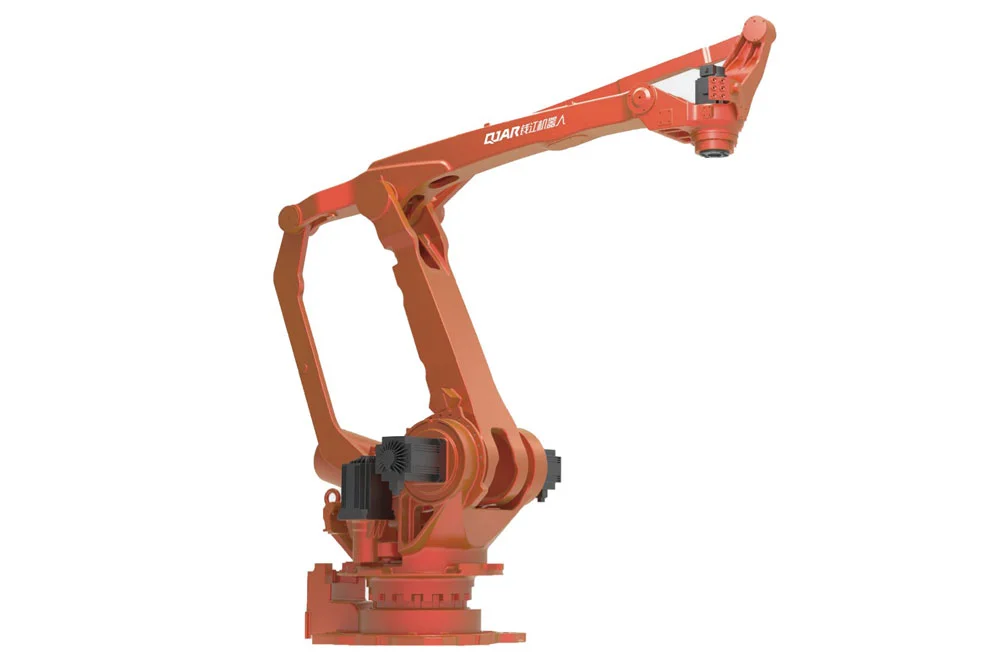
Toàn bộ trục robot hoạt động công suất đầu ra thấp, cho tốc độ cao và ổn định. Thiết kế robot đơn giản được tích hợp cùng phần mềm xếp hàng chuyên dụng. Ứng dụng rộng rãi trong ngành sản xuất thông ...