
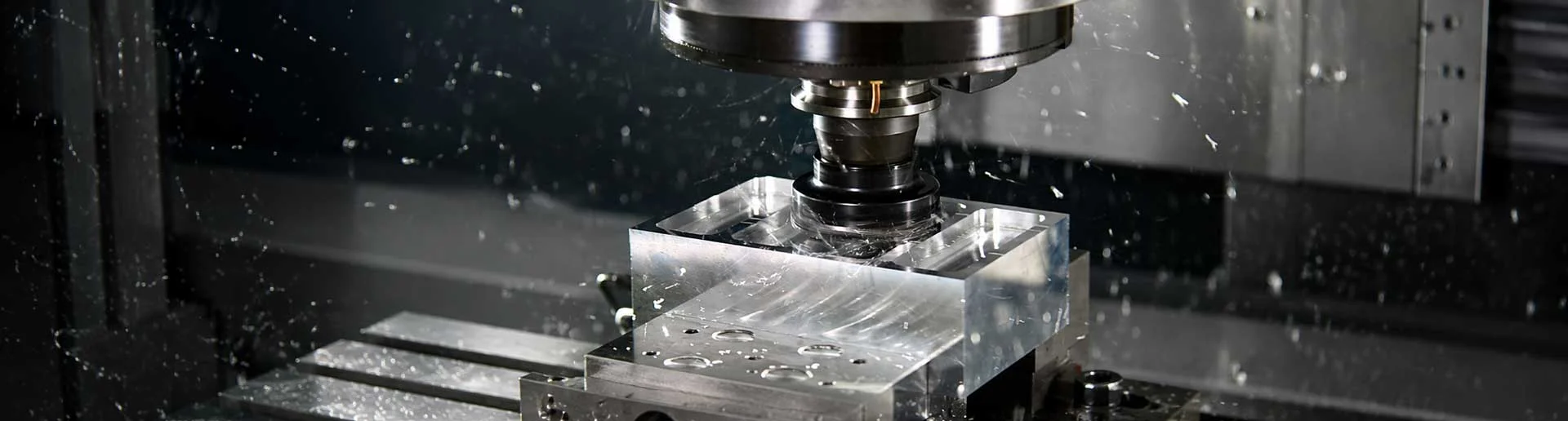
CNC Milling Machine
No products found
CNC milling machine is a modern mechanical processing device that allows for high-precision processing, stable repeatability, and superior productivity in industrial production. Thanks to the application of advanced numerical control systems, the machine can simultaneously perform milling, boring, and complex profile machining operations on the same system. With a vertical column design integrated with a symmetrical double table, many current CNC milling machines optimize the ability to process large parts requiring high rigidity. The four-sided contact structure exploited along the dual Y-axis helps increase stability when cutting heavy loads. The low-friction air-floating slide surface technology significantly improves positional accuracy and repeatability. Therefore, the machine is particularly suitable in fields such as energy, shipbuilding, and large-scale industrial equipment manufacturing.
1. What is a CNC milling machine?
- CNC milling machine is a mechanical processing device that uses a Computer Numerical Control (CNC) system to control the movement of the spindle and the table according to pre-programmed instructions. Through the X, Y, Z coordinate system (and possibly extended with rotary axes), the machine performs material cutting processes with high precision and stable repeatability.
- Unlike traditional mechanical milling machines that rely heavily on the operator's skill, CNC milling machines allow for almost complete automation of the machining process. The cutting tool rotates at high speed, while the workpiece is fixed on the table or moved according to programmed axes to create parts according to technical drawings.
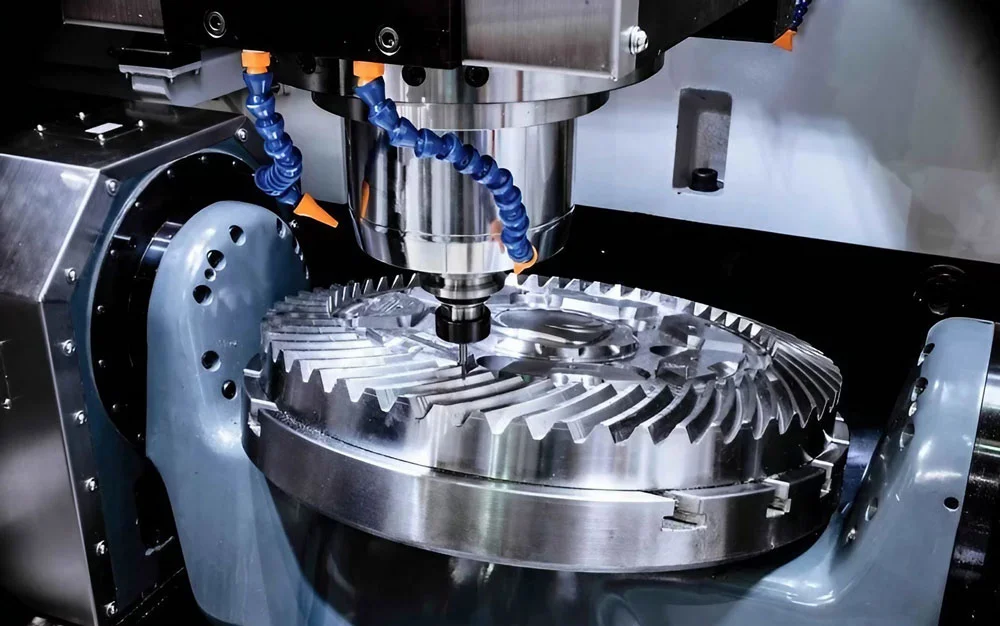
- Thanks to the precise control of spindle speed, feed rate, and cutting depth, CNC milling machines can process from simple flat surfaces to complex 3D profiles, molds, large structural parts, or components requiring tight tolerances. This is a foundational device in modern mechanical factories, especially in industries requiring high precision and stable output.
2. Basic structure of a CNC milling machine
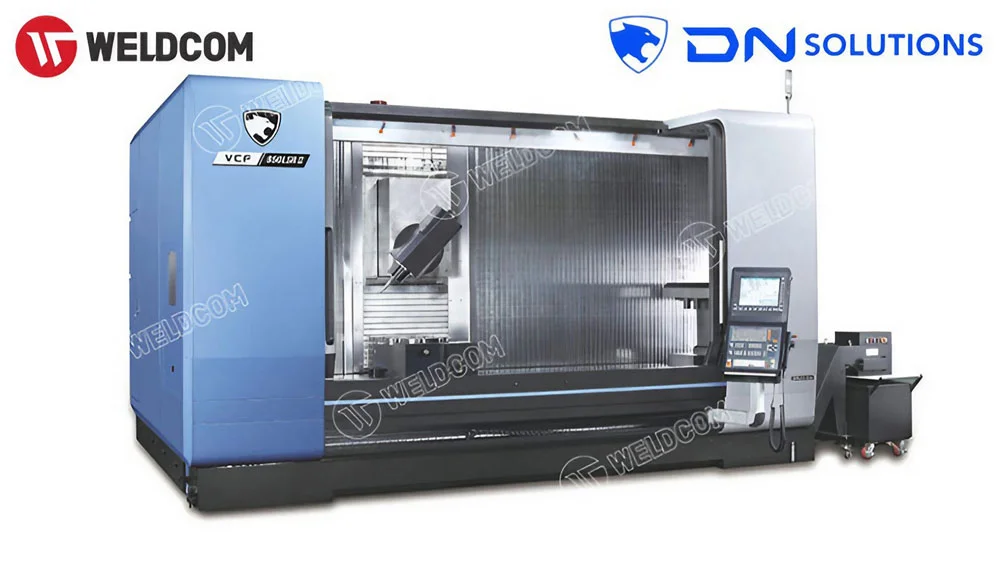
To understand the operational capabilities and precision of a CNC milling machine, it is necessary to grasp the basic structure of this device. A standard CNC milling machine usually includes main systems such as the machine body, spindle, table, guiding system, tool holder, and control unit.
2.1. Machine body and frame structure
- The CNC milling machine body is usually cast from high-rigidity monolithic cast iron to reduce vibrations during machining. A robust frame structure helps the CNC milling machine maintain stability when handling large loads, especially in mold machining or heavy structural parts.
- In high-end models, CNC milling machines are designed with four-sided contact or a symmetrical double table vertical column, enhancing rigidity and improving precision when milling and boring large parts.
2.2. Spindle
The spindle is the most important part of the CNC milling machine, performing the rotational movement of the cutting tool. The spindle speed can range from 6,000 to over 20,000 rpm depending on the configuration. The spindle system on modern CNC milling machines often integrates:
- Oil or air cooling
- High-precision bearings
- Temperature control sensors
As a result, CNC milling machines ensure machining accuracy and extend tool life.
2.3. Table and guiding system
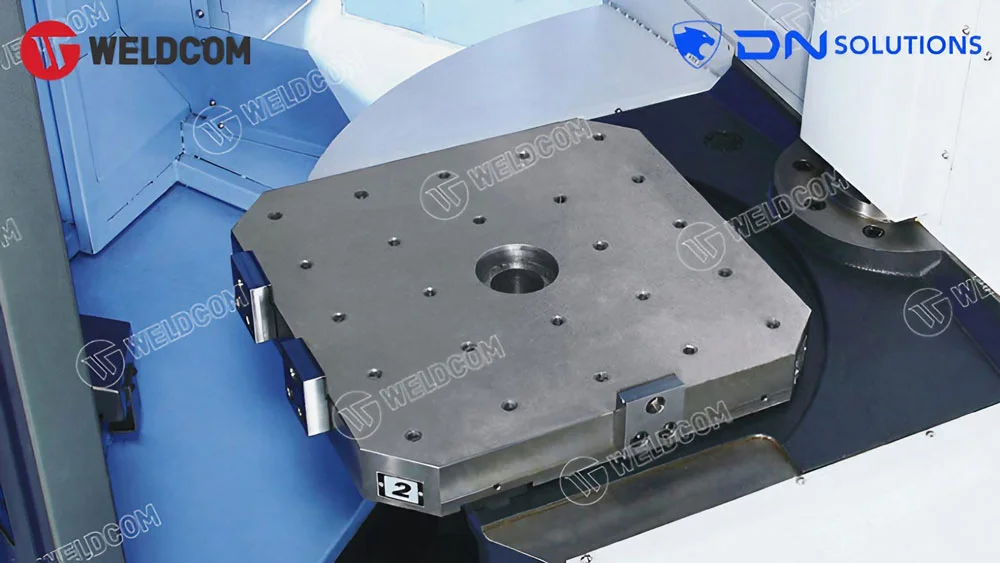
The table of the CNC milling machine is where the workpiece is mounted and moves along the X, Y, Z axes. For 4-axis or 5-axis CNC milling machines, the system also integrates a rotary table for multi-angle machining. The linear guideway system or low-friction air-floating design helps the CNC milling machine:
- Move smoothly
- Increase positional accuracy
- Improve repeatability
2.4. Automatic Tool Changer (ATC)
The automatic tool changer allows the CNC milling machine to quickly change tools during machining. As a result, the CNC milling machine can perform multiple operations in one setup, reducing machine downtime and increasing productivity.
2.5. CNC control system
The control unit is the "processing center" of the CNC milling machine. This system helps:
- Program tool paths
- Adjust speed and feed rate
- Automatic tool compensation
- Error warnings and operation monitoring
Thanks to optimal and synchronized construction, CNC milling machines can operate stably for long periods, meeting high-precision machining requirements in many modern industries.
3. What can CNC milling machines process?
Thanks to precise control axes and flexible programming capabilities, CNC milling machines can handle a wide variety of parts from simple to complex, meeting high technical requirements in industrial production.
3.1. Machining flat surfaces and steps
CNC milling machines are often used to:
- Mill high-precision flat surfaces
- Mill end faces
- Mill steps, shaft shoulders
- Mill straight grooves and T-slots
Positional accuracy and stable repeatability help CNC milling machines ensure dimensions according to technical drawings, reducing cumulative errors.
3.2. Machining deep cavities and 3D profiles
With 3-axis, 4-axis, or 5-axis CNC milling machines, the equipment can:
- Machine mold cavities
- Mill complex curved profiles
- Machine 3D surfaces
- Shape parts with multiple inclined surfaces
Especially, 5-axis CNC milling machines allow multi-surface machining in one setup, minimizing workpiece movement and enhancing overall accuracy.
3.3. Mold machining
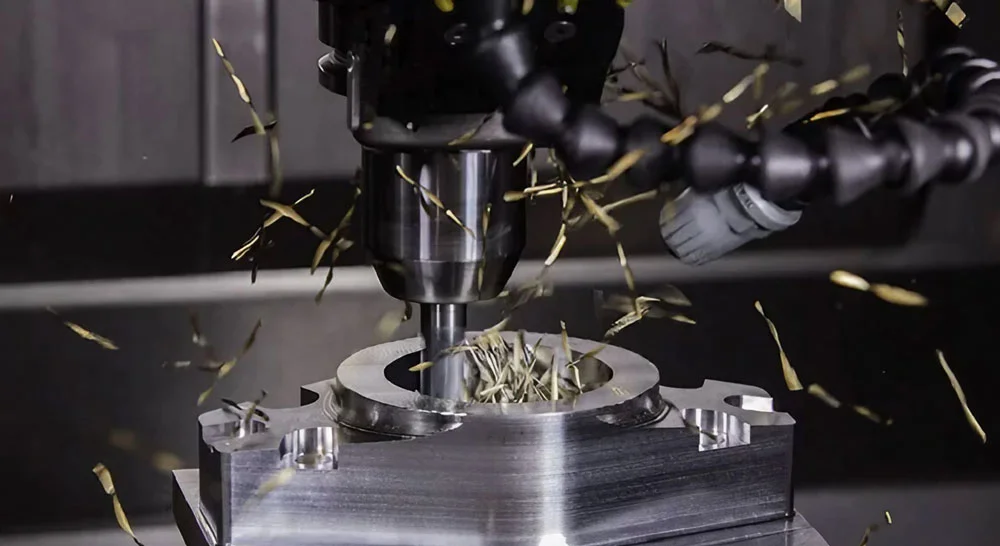
CNC milling machines play an important role in mold manufacturing:
- Plastic injection molds
- Metal stamping molds
- Pressure die-casting molds
Thanks to the ability to precisely control spindle speed and feed rate, CNC milling machines help create smooth mold surfaces, reducing manual polishing steps.
3.4. High-precision hole machining
Besides milling, CNC milling machines also perform:
- Precision drilling
- Fine boring
- Tapping
- Thread milling
These operations are automatically programmed, helping CNC milling machines maintain uniformity between parts in mass production.
3.5. Large structural part machining
With high-power CNC milling machines, double tables, or robust vertical column designs, the equipment can machine:
- Machine frame structures
- Machine bases
- Thick steel plates
- Energy and shipbuilding industry parts
High load-bearing capacity and stable guiding systems help CNC milling machines handle large parts while ensuring accuracy.
4. Advantages of CNC milling machines
CNC milling machines offer many superior advantages over traditional machining methods:
- High and stable accuracy: Low error, good repeatability
- Superior productivity: Fast machining, shortened production cycles
- High automation: Reduced reliance on operator skill
- Good surface quality: Less vibration, smooth cutting paths
- Flexibility in production: Quick program changes
Thanks to these advantages, CNC milling machines have become core equipment in modern manufacturing plants.
5. Applications of CNC milling machines in practice
Mechanical engineering industry
- Machining machine bases, frames, and jigs
- Machining load-bearing structural parts
- Milling grooves, precise assembly surfaces
- Producing mechanical components according to technical drawings
Mold industry
- Machining plastic injection molds
- Metal stamping molds
- Pressure die-casting molds
- Machining complex 3D profiles
Automotive and motorcycle industry
- Machining gearbox housings
- Machining engine bodies
- Machining drivetrain components
- Machining jigs and production fixtures
Energy and shipbuilding industry
- Machining thick steel plates
- Machining large structural parts
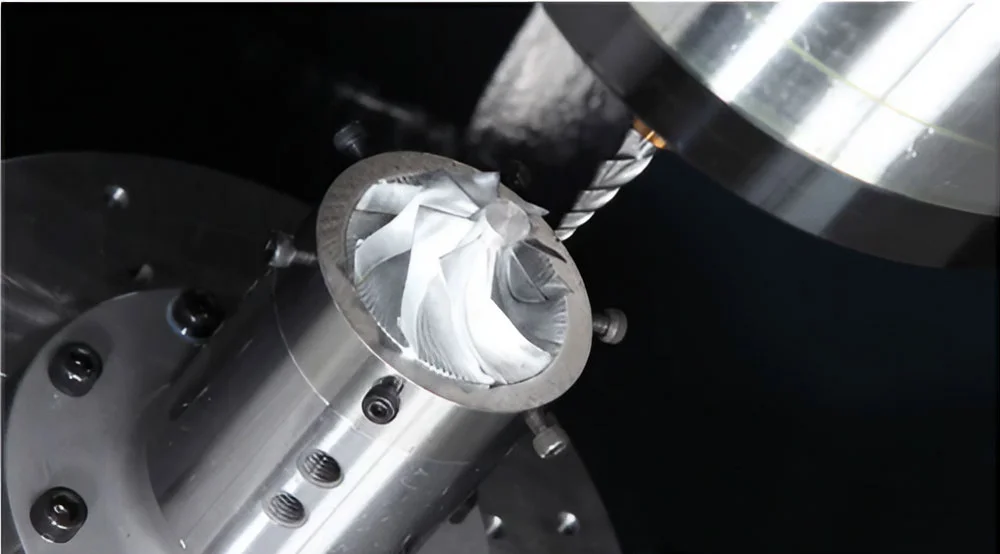
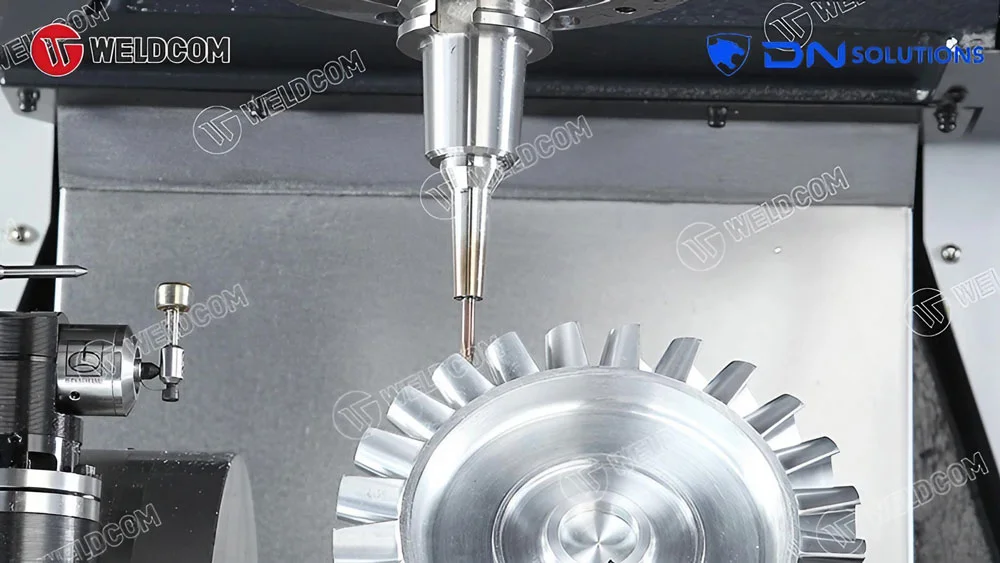
- Machining turbine components
- Machining industrial support frames and structures
Large CNC milling machines with robust vertical column structures are often used in this field.
Aerospace and medical industry
- Machining aluminum and titanium alloy parts
- Machining components with tight tolerances
- Machining high-precision medical device parts
Electronics and supporting industries
- Machining device enclosures
- Machining heat dissipation components
- Machining small parts requiring high precision
Thanks to the ability to machine a variety of materials and precisely control each movement, CNC milling machines have become foundational equipment in modern manufacturing plants, contributing to improving product quality and optimizing operational efficiency.
6. How much does a CNC milling machine cost?
The price of CNC milling machines on the market today is not fixed and depends on many factors such as technical configuration, number of axes, working size, and brand. Determining the exact investment level should be based on the actual machining needs of the enterprise.
6.1. CNC milling machine price by number of axes
3-axis CNC milling machine:
- The most common on the market, suitable for machining basic to medium parts.
- Reference price: from about 700 million to 2 billion VND depending on configuration.
4-axis CNC milling machine:
- Additional rotary axis helps machine more complex parts.
- Reference price: from 1.5 to 3.5 billion VND.
5-axis CNC milling machine:
- Multi-surface machining in one setup, suitable for molds and aerospace.
- Price can range from 3 billion to over 10 billion VND depending on technology and brand.
6.2. CNC milling machine price by size and load capacity
- Mini CNC milling machine: Low investment cost, suitable for training or small workshops.
- Vertical Machining Center (VMC): Common in industrial production.
- Large CNC milling machines, double tables, or vertical columns: Used in energy, shipbuilding industries – high price due to robust construction and large travel.
The larger the table size and X–Y–Z travel, the higher the CNC milling machine price.
6.3. Factors affecting CNC milling machine price
- Spindle speed and power
- Control system (FANUC, Siemens, Heidenhain…)
- Number of tools in the automatic tool changer (ATC)
- Ability to integrate rotary axes or rotary tables
- Automation features (material handling robots, automatic tool measurement…)
- Brand and origin
In addition to the cost of purchasing a CNC milling machine, businesses also need to consider installation, operation training, maintenance, and tooling costs.
6.4. Should you choose a cheap CNC milling machine?
Choosing a CNC milling machine should not be based solely on low price. A device with a low initial investment cost but lacking rigidity or poor after-sales service can increase long-term operating costs. Therefore, when considering CNC milling machine prices, businesses should consider:
- Long-term production goals
- Required accuracy
- Automation expansion capability
- Accompanying technical services
In summary, CNC milling machine prices vary widely depending on configuration and usage needs. To receive an accurate quote and make a suitable choice, businesses should be directly advised based on specific machining problems.
7. Experience in choosing the right CNC milling machine
Investing in a CNC milling machine is an important decision that directly affects productivity, product quality, and the competitiveness of a business. To choose the right CNC milling machine, carefully consider the following factors:
7.1. Clearly define machining needs
- Machining small parts or large structures?
- Single-piece, small batch, or mass production?
- What level of tolerance and accuracy is required?
If mainly machining flat surfaces, grooves, and basic parts, a 3-axis CNC milling machine can meet the needs well. If multi-surface machining and complex profiles are needed, consider a 4-axis or 5-axis CNC milling machine.
7.2. Choose travel and table size
The table size and X–Y–Z travel must match the largest workpiece size expected to be machined.
- Do not choose a CNC milling machine that is too small, limiting production
- Also, do not invest in a machine that is too large, causing a waste of investment and operating costs
7.3. Check spindle power and speed
Depending on the material being machined (steel, aluminum, stainless steel, alloy…), the CNC milling machine needs to have:
- Suitable spindle power
- High enough rotational speed
- Ability to maintain stability when cutting heavy loads
Mold machining or hard alloys often require higher spindle configurations.
7.4. Control system and expansion capability
A modern CNC milling machine should have:
- Common control system (FANUC, Siemens…)
- Ability to upgrade rotary axes or integrate robots
- Tool measurement, automatic tool compensation features
Expansion capability helps businesses adapt to future production needs.
7.5. Rigidity and machine structure
Rigidity directly determines the accuracy and lifespan of the equipment. When choosing a CNC milling machine, pay attention to:
- Machine body material
- Guideway design
- Stability when machining heavy loads
A robustly constructed machine will reduce vibrations and improve surface quality.
7.6. After-sales service and technical support
This is a factor not to be overlooked. When investing in a CNC milling machine, businesses should choose a provider that:
- Supplies genuine machines
- Has a technical team to support installation and training
- Offers regular maintenance policies
- Provides long-term technical support
7.7. Balance investment costs and production efficiency
Do not just look at the initial CNC milling machine price. Evaluate the total cost of ownership (TCO):
- Maintenance costs
- Tooling and accessories
- Energy consumption
- Payback period
A suitable CNC milling machine will help optimize productivity and quickly recover the investment.
8. Weldcom – A diverse and reputable CNC milling machine supplier
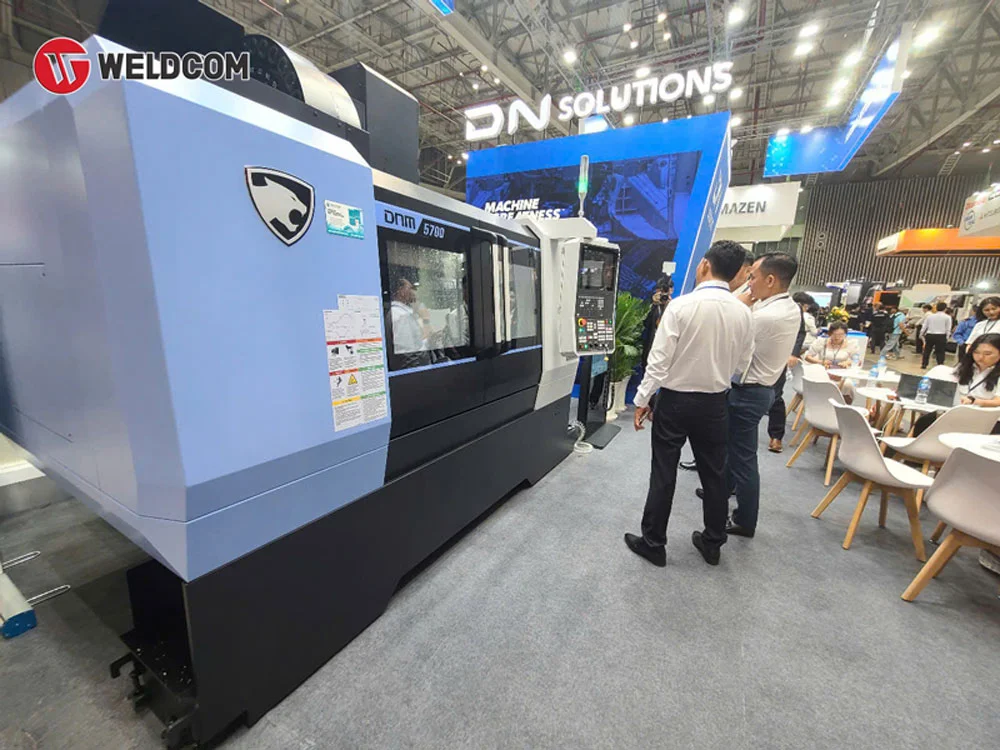
Weldcom is a supplier of CNC milling machine solutions and genuine machining centers for many mechanical enterprises in Vietnam. Not only distributing equipment, Weldcom also accompanies customers from consulting, configuration selection to operation deployment and production optimization. With practical experience in mechanical, steel structure, mold, and heavy industry projects, Weldcom understands the specifics of each workshop model to propose suitable CNC milling machines, avoiding excessive or insufficient investment.
8.1. Diverse product catalog
Weldcom provides a full range of CNC milling machines to meet various scales and industries:
- Mini CNC milling machine: Suitable for small workshops, training centers, or machining medium and small-sized parts.
- 3-axis CNC milling machine: The most popular model, meeting the needs of flat surface, groove, cavity, and common mechanical part machining.
- 4-axis CNC milling machine: Adds a rotary table for multi-surface machining, improving efficiency and reducing the number of setups.
- 5-axis CNC milling machine: Machining complex parts, 3D molds, curved profiles, suitable for aerospace, automotive, and energy industries.
- Vertical machining centers and large horizontal milling machines: For machining large-sized parts, heavy loads, requiring high rigidity and precision.
The diverse catalog helps businesses easily choose suitable CNC milling machines for production scale, industry specifics, and long-term development orientation.
8.2. Highlights of Weldcom
When choosing CNC milling machines at Weldcom, businesses are guaranteed the following values:
- Over 20 years of experience in the mechanical and industrial automation field
- Distribution of genuine equipment from reputable international brands
- A team of specialized consultants analyzing specific machining problems
- Support for installation, training, and comprehensive technology transfer
- Regular maintenance and long-term technical support, reducing machine downtime risks
Weldcom not only provides CNC milling machines but also advises on overall solutions to enhance machining capabilities, optimize efficiency, and ensure sustainable investment effectiveness for businesses.
To receive the latest CNC milling machine price quotes and be advised on suitable configurations for actual machining needs, please contact Weldcom directly via Hotline 1900 9410 or leave information on the official website. We look forward to welcoming you!