Infrastructure and Urban Construction Solutions

Solution Introduction
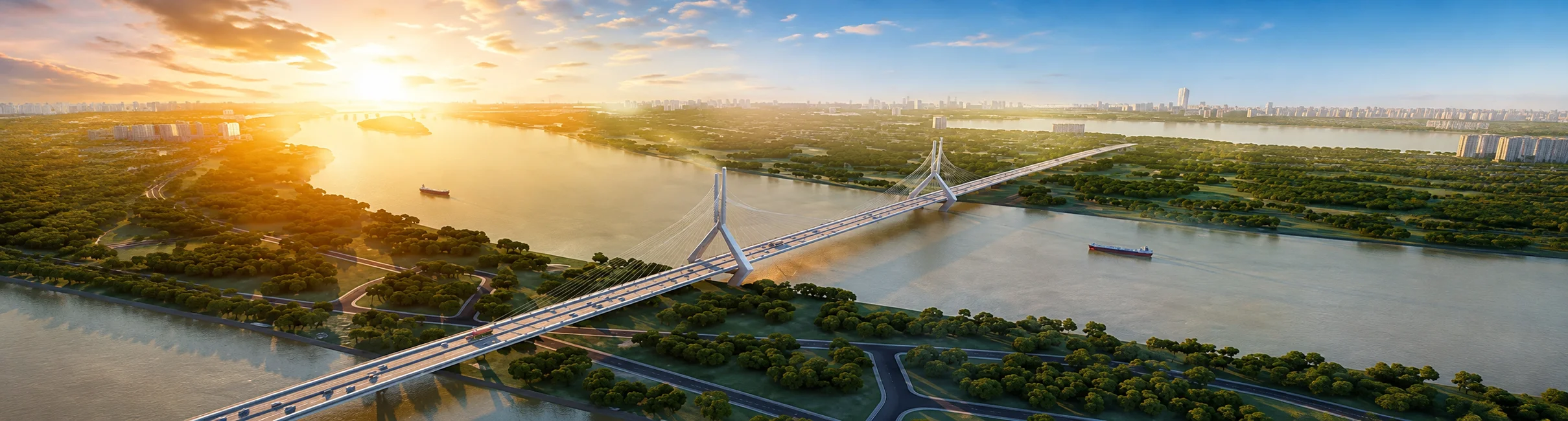
The continued development of urban infrastructure is driving growing demand for steel structures with widely varying scales, geometries, and technical requirements. From bridges, roads, and transportation systems; stadiums, sports arenas, and public facilities; urban utility and industrial infrastructure; to commercial complexes and high-rise buildings, each project type presents distinct requirements for load-bearing capacity, span, dimensional accuracy, surface quality, aesthetics, and fabrication lead time.
Weldcom provides an integrated ecosystem of solutions for manufacturing steel components used across a wide range of urban infrastructure projects, covering the entire process from material preparation, blank forming, and component processing to assembly, welding, surface finishing, and production management.
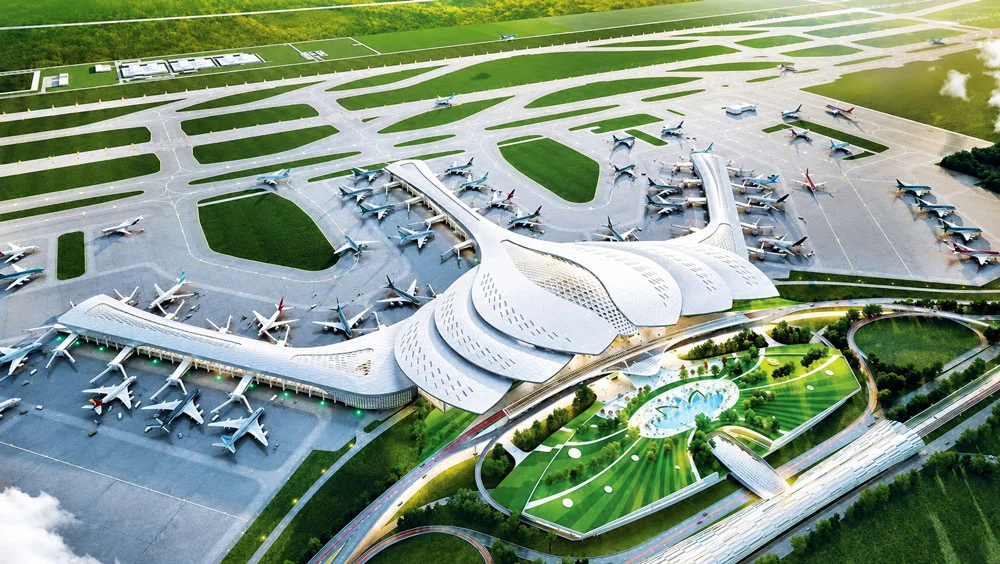
Manufacturing Diverse Steel Components on a Common Technology Platform
Unlike industries centered around relatively standardized product groups, structural steel for urban infrastructure covers a highly diverse range of components, including beams, columns, steel frames, box sections, built-up members, guardrails, fencing systems, overhead sign gantries, roof structures, and various secondary steel components.
In practice, manufacturers within Weldcom’s customer ecosystem have produced products such as bridge and roadway guardrails, overhead sign gantries, highway fencing, stadium dome roof structures, and a wide range of auxiliary steel structures for other construction projects.
For this reason, Weldcom develops solutions with a high degree of flexibility in component dimensions, profiles, and production volumes, enabling manufacturers to accommodate multiple product lines within a common production system.
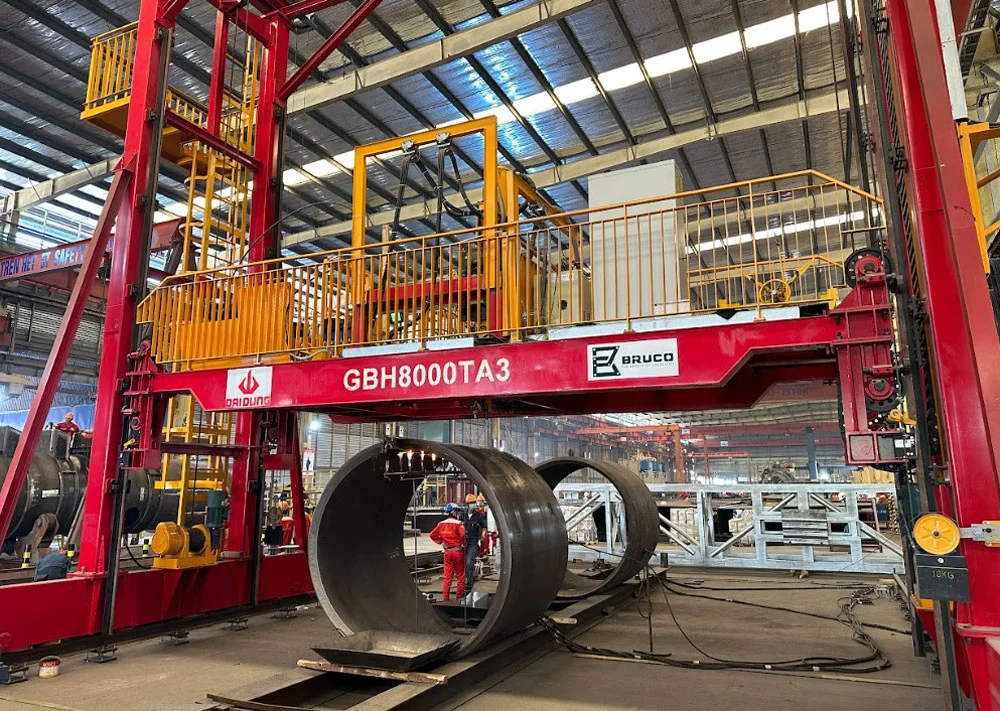
Precision Processing for Increasingly Complex Structures
Transportation, public, and commercial projects are increasingly adopting steel structures with special geometries, large cross-sections, and stringent dimensional tolerances for site assembly. Fabrication inaccuracies not only affect the quality of individual components but also directly impact erection progress at the construction site.
Weldcom provides solutions for processing steel plates and structural sections, covering cutting, drilling, punching, forming, and connection-edge preparation. The objective is to standardize component accuracy from the earliest fabrication stages and minimize corrective work during downstream processes.
Improving Welding Productivity and Quality
Beams, columns, and built-up structural members typically contain a substantial volume of weld seams, while project requirements demand both high fabrication throughput and consistent weld quality.
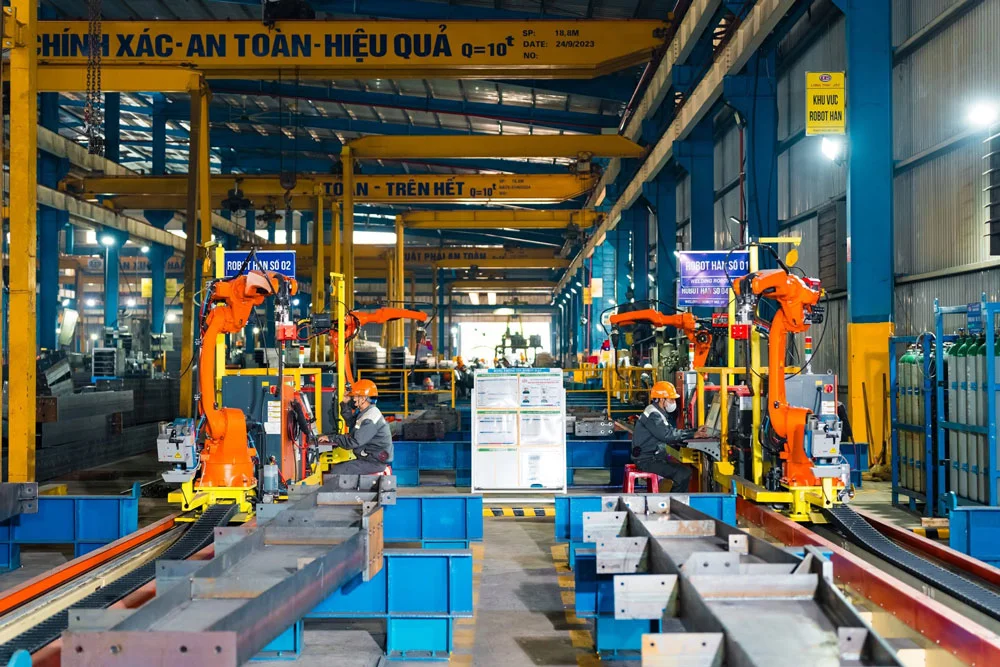
Weldcom’s solutions integrate automated welding systems, high-productivity welding technologies, and robotic welding solutions for different categories of structural components.
For products containing numerous connection plates, stiffeners, or complex weld seams, automation reduces manual operations, improves welding consistency, and decreases dependence on highly skilled welders.
Meeting Both High-Volume Production and Project Delivery Schedules
Infrastructure projects are typically characterized by large quantities of structural components, multiple product types, and staged delivery schedules aligned with construction progress. This requires manufacturers not only to ensure sufficient capacity at individual machines, but also to effectively organize material flow and balance production capacity across fabrication stages.
Weldcom develops solutions by integrating processing, material handling, assembly, welding, and surface treatment into a coordinated production flow. Equipment data and production management systems are also integrated to help manufacturers monitor machine status, production output, and operational performance.
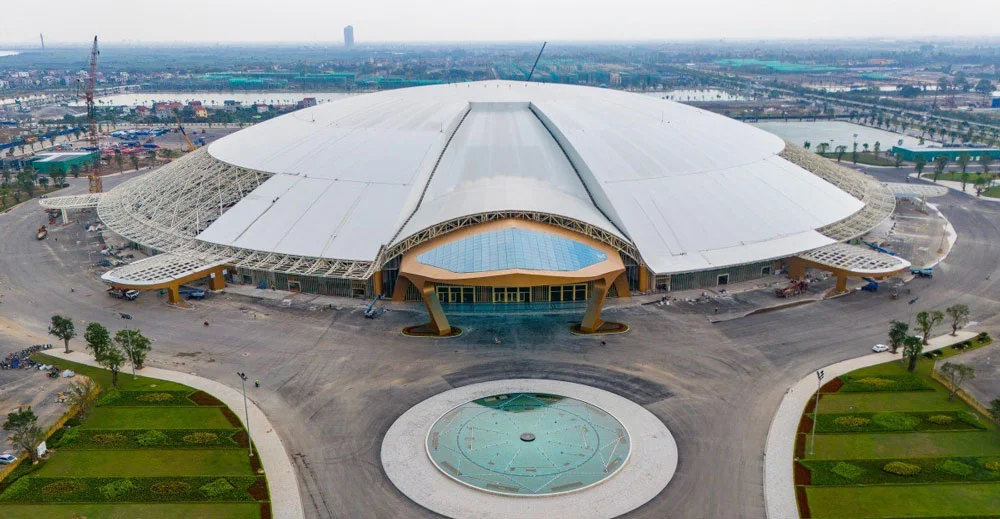
From transportation infrastructure; public and sports facilities; urban utility and industrial infrastructure; to commercial and service buildings, Weldcom focuses on addressing three fundamental requirements:
Capability to manufacture diverse structural components → Assured dimensional accuracy and quality → Ability to meet the output and delivery schedules of large-scale projects.
Through this approach, structural steel manufacturers gain a flexible technology platform that enables them to participate more extensively in major infrastructure projects and contribute to the development of modern urban environments.
Customers Implemented