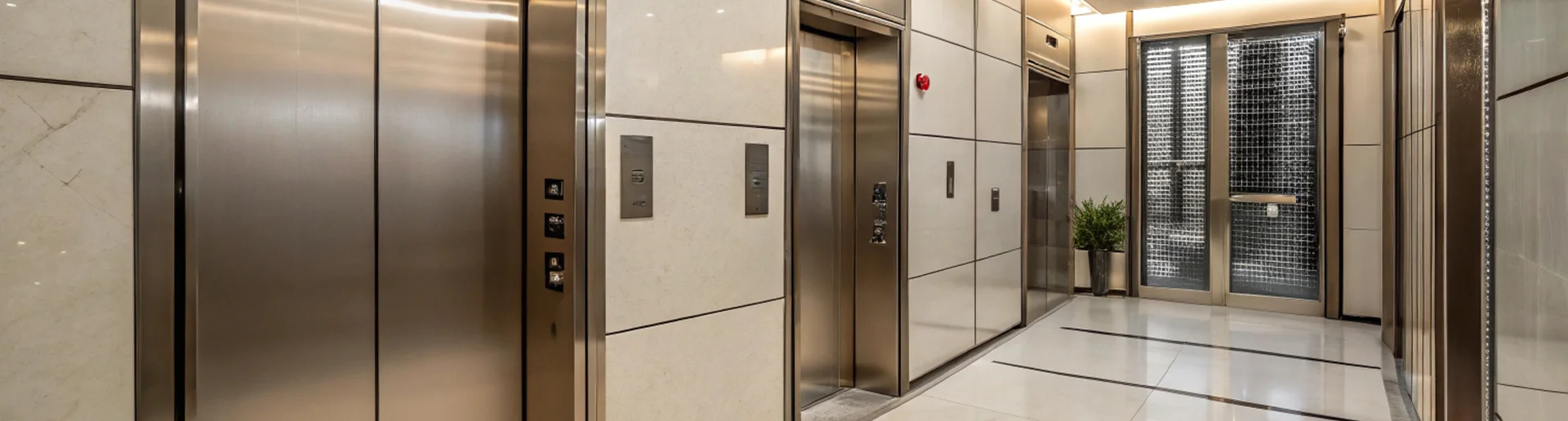
Elevator door production line

Solution Introduction
The Vietnamese elevator market is entering a period of strong growth thanks to urbanization, the development of high-rise residential projects, shopping centers, hotels, and industrial infrastructure. In addition to the demand for new installations, the market is also driven by the need to upgrade, replace, and modernize existing elevator systems. The trend of digital transformation, production automation, and increasing demands for quality and aesthetics are also motivating businesses to invest in modern sheet metal processing technology, enhancing production capacity and competitiveness in the market.
Production Process
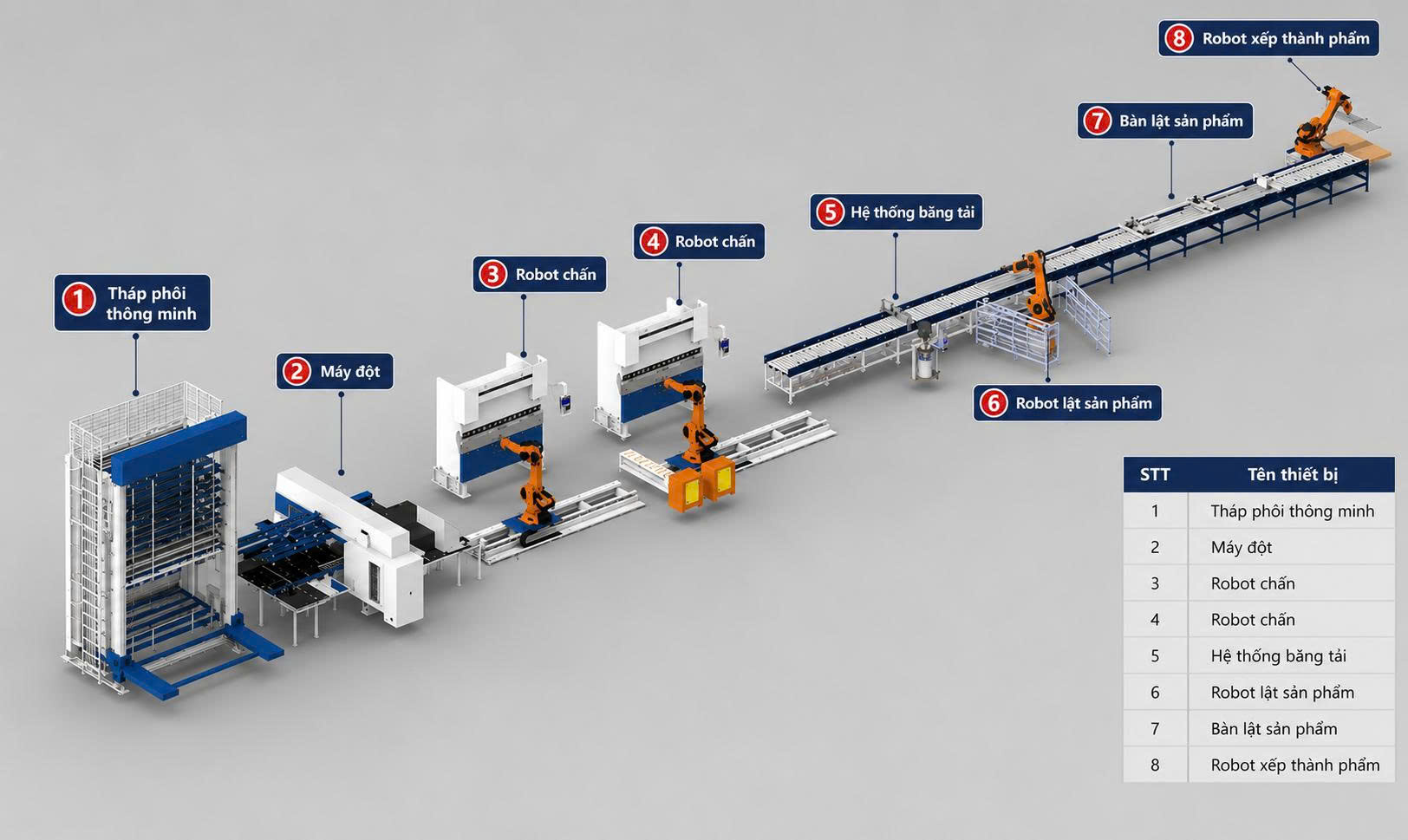
The production line is designed to automate the main stages in the elevator door manufacturing process, from raw material processing to product completion. The solution helps increase productivity, ensure accuracy and consistency between products, while reducing dependency on manual labor.
Productivity: 3000 products/month
Personnel: 1 person manages the entire line
Main stages of the production line
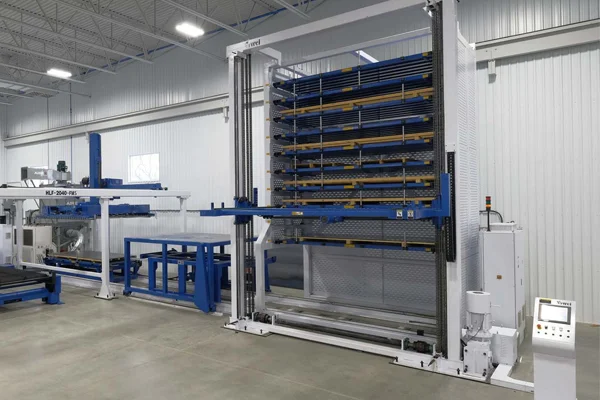
1. SMART RAW MATERIAL TOWER
The smart raw material tower has 6 levels, with a load capacity of up to 3 tons/level, supporting automatic storage and supply of raw materials to the material slot up to 3,000 × 1,500 mm. The solution helps optimize warehouse space, reduce material supply time, and enhance the overall operational efficiency of the production line.
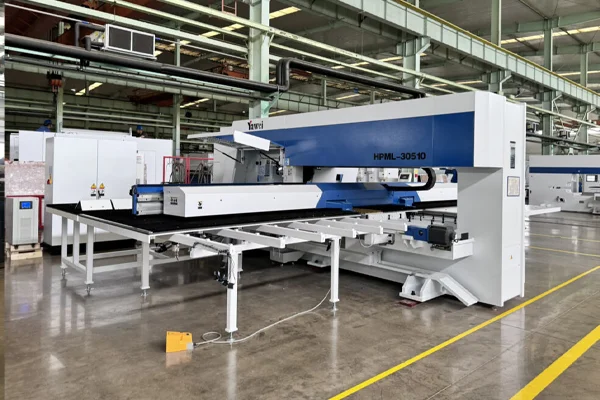
2. CNC PUNCHING MACHINE
The CNC punching machine is responsible for processing elevator door components through basic punching, shaping, ribbing, and edge processing according to the design drawings. CNC control technology ensures high accuracy, stable repeatability, and uniform quality for each component before moving on to the next shaping stages.
3. BENDING MACHINE WITH ROBOTIC MATERIAL HANDLING
The automatic bending robot performs material folding, feeding, and operation of basic bending processes according to pre-set programs. The system allows for processing elevator door components with complex shapes with high accuracy, while reducing reliance on operator skills and enhancing product quality stability.
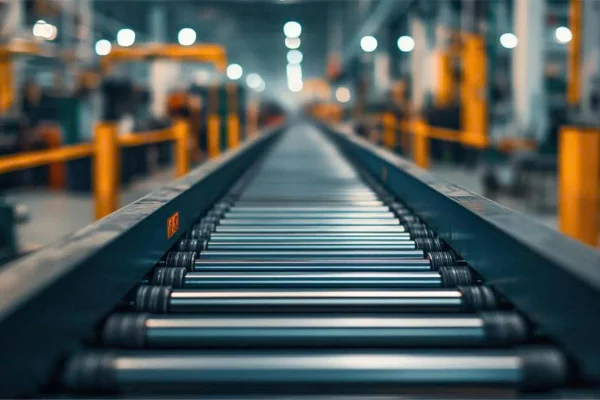
4. INTERMEDIATE CONVEYOR SYSTEM
The conveyor system plays a role in continuously connecting the stages in the production line, helping to automatically transport semi-finished products from the punching machine to the bending area and subsequent stages. The solution helps reduce transfer time, limits manual operations, and optimizes production flow throughout the factory.
5. PRODUCT FLIPPING ROBOT
The product flipping robot is used to automatically change the position and orientation of components after each basic processing. The system ensures that the product is always in the appropriate state for the next stage, while reducing labor, increasing safety, and limiting risks during operation.
6. PRODUCT FLIPPING TABLE
The product flipping table supports the positioning and reorientation process of components between different processing stages. The equipment helps maintain the continuity of the production line, reduces waiting time, and ensures the production process runs stably with high productivity.
7. PRODUCT STACKING ROBOT
After completing the basic processing, the product stacking robot will automatically collect, sort, and stack products according to specified positions. The solution significantly reduces labor demand, increases operational productivity, and optimizes storage space while preparing conveniently for subsequent assembly or dispatch stages.
Device Information

Customers Implemented